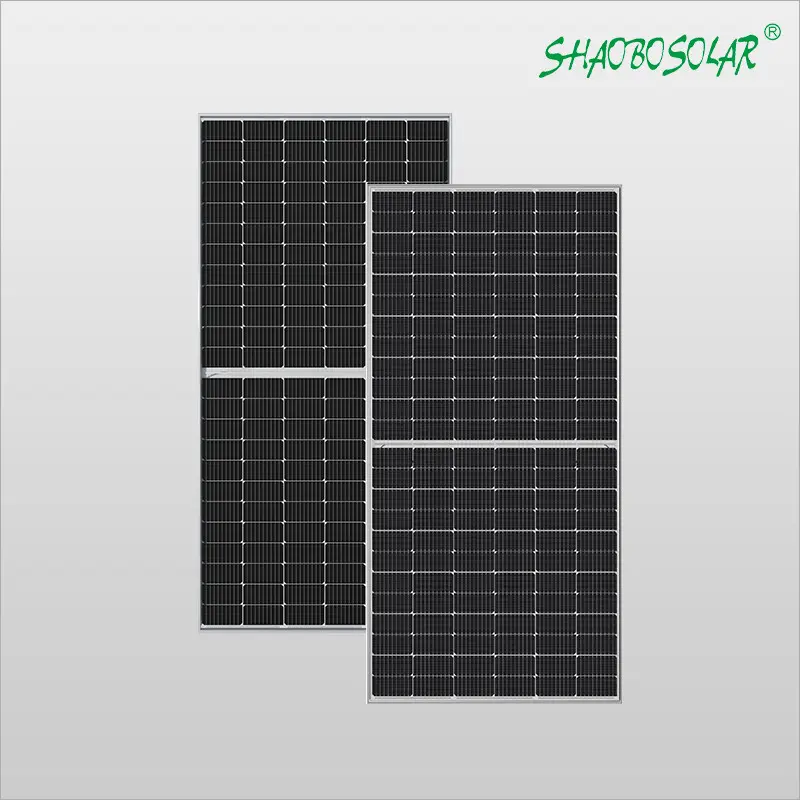
585W Mono Solar Panel
580W Mono Solar Panel
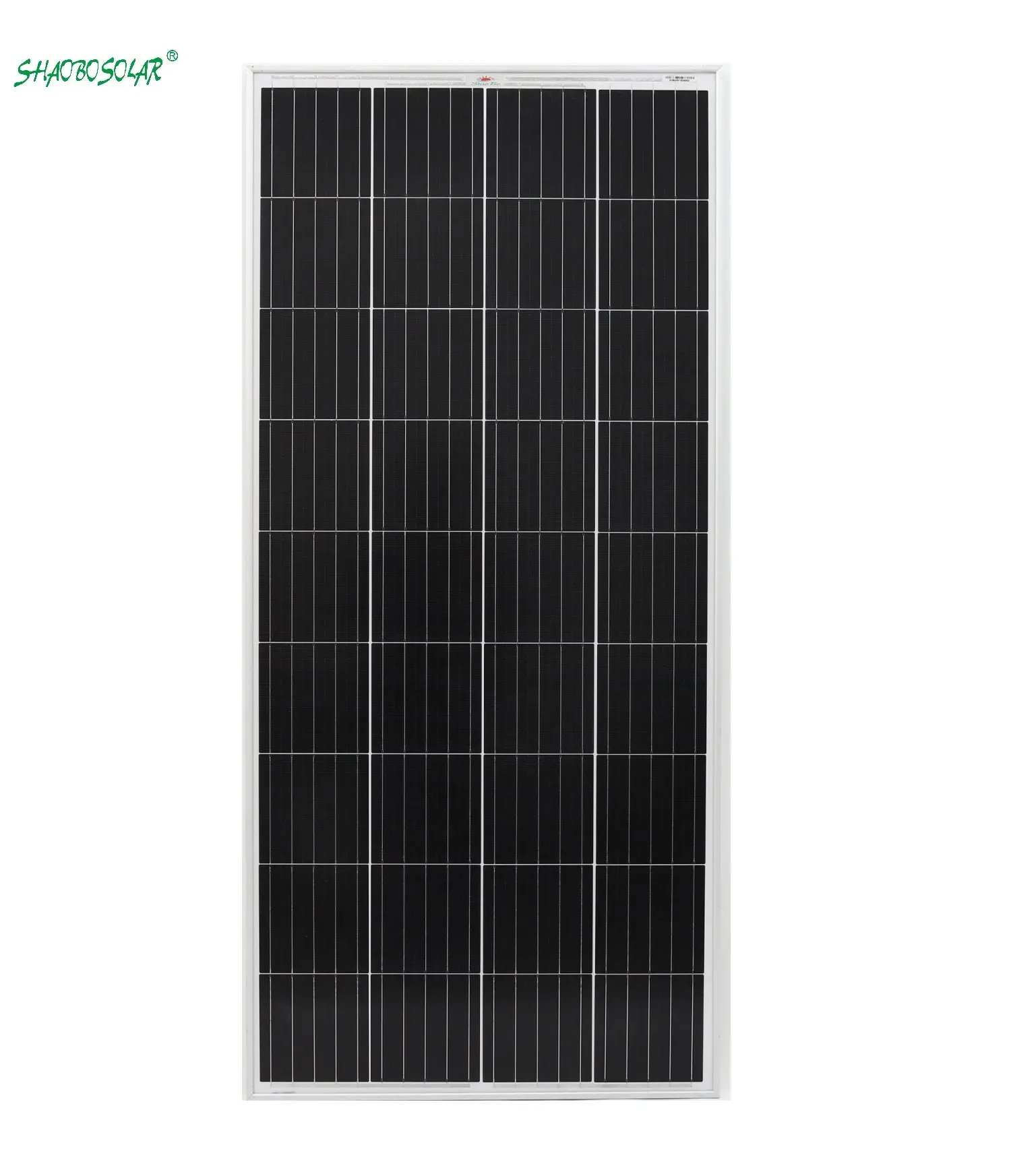
165w 150w Poly 36cells With Sgs Shaobo Solar Panels
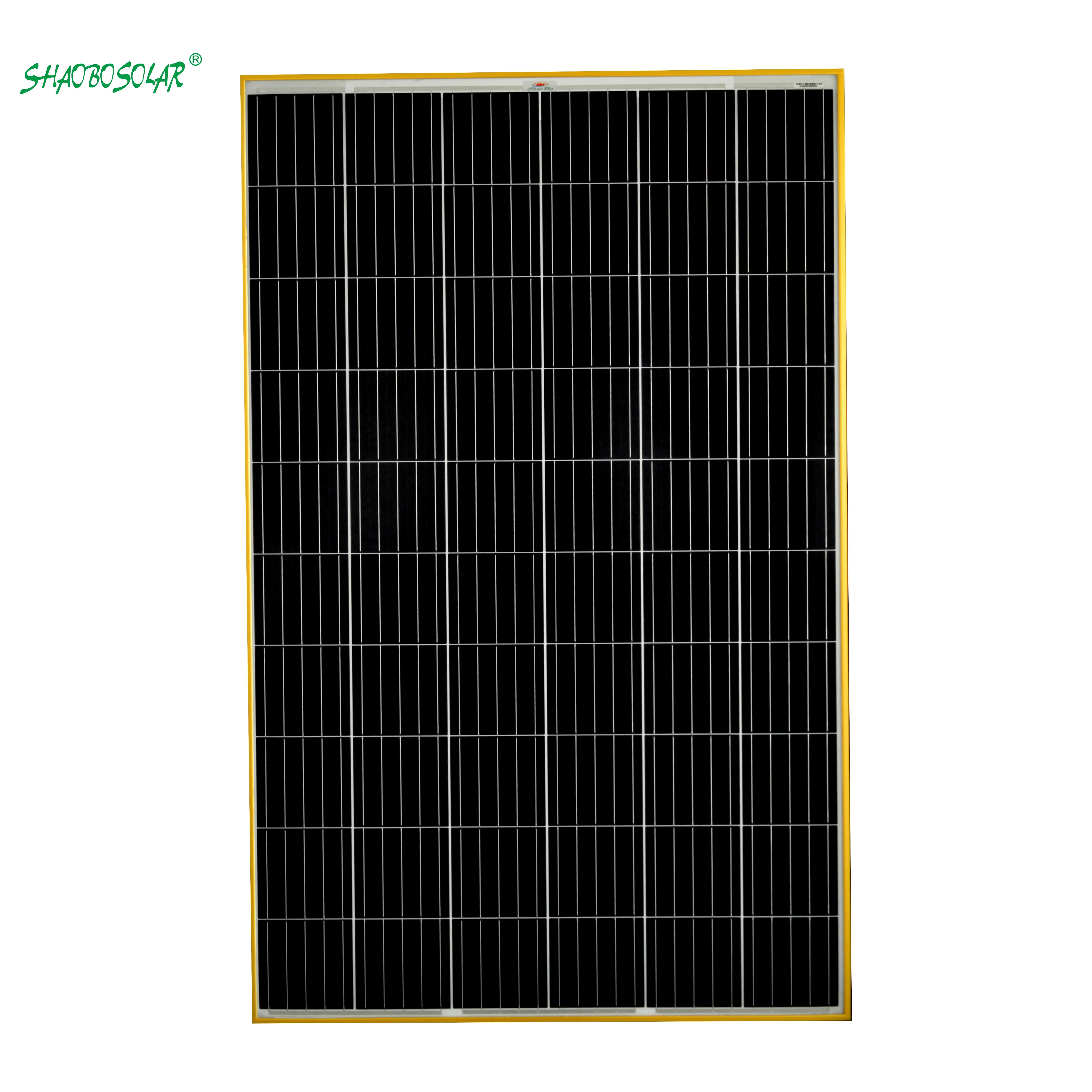
280w 270w 250w Poly 60 Cells 5bb Solar Panel
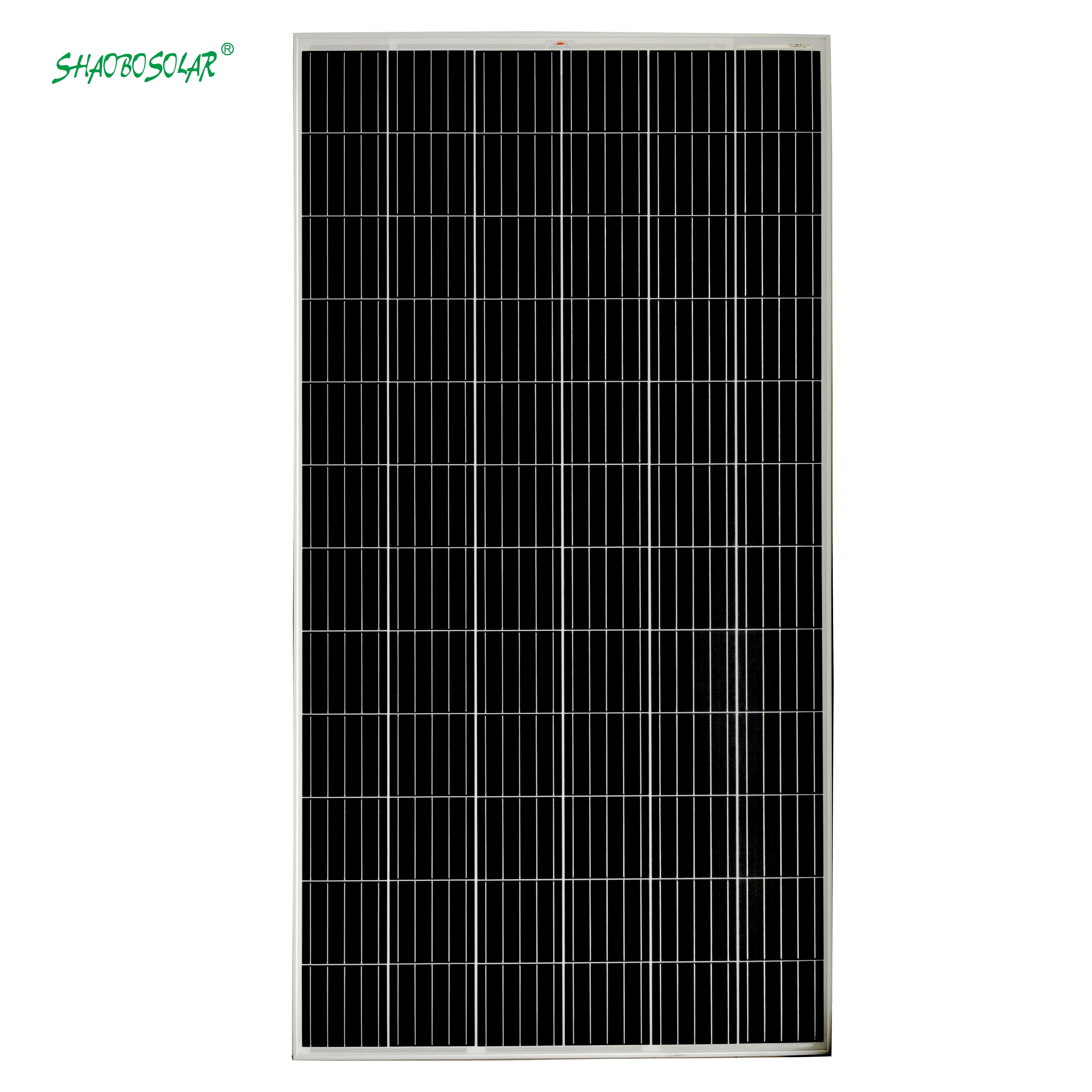
300w 320w 325w 330w Poly 72 Cells Shaobo Solar Pv Module
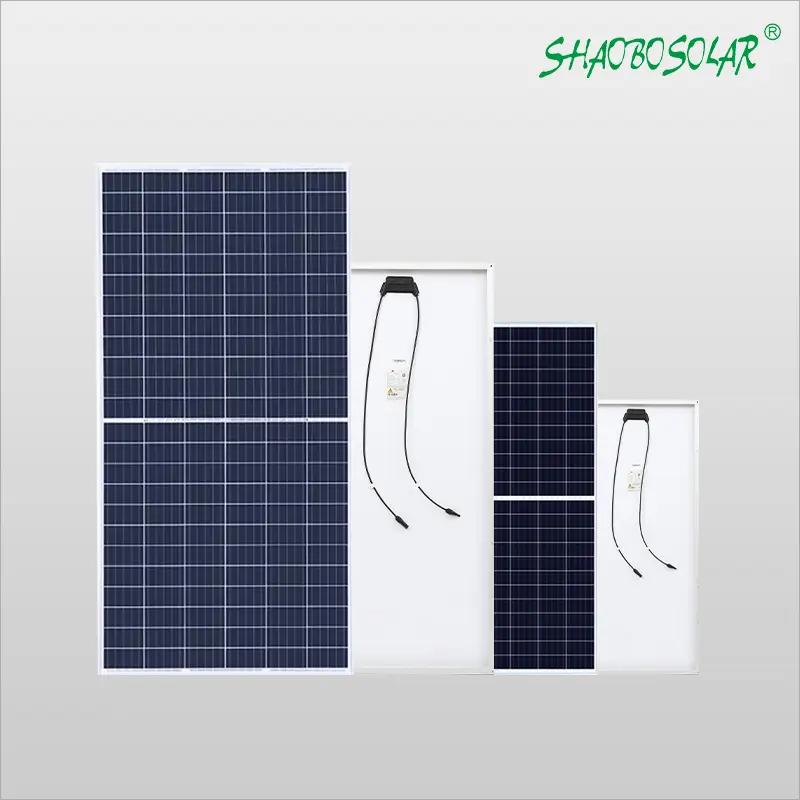
300w 320w 330w Half Cell Poly Solar Pv Module
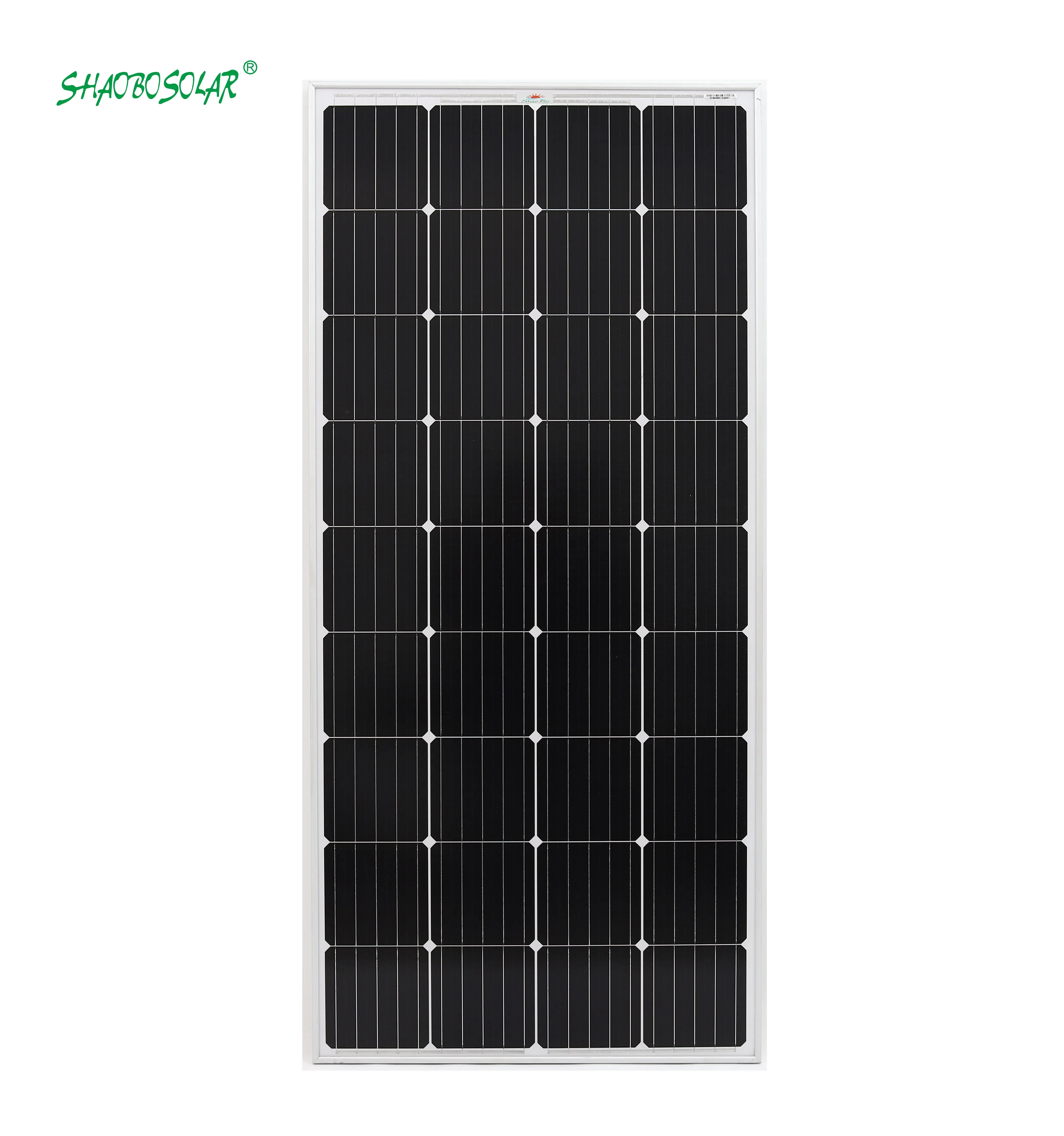
150w 170w 180w 190w Stock With SGS Mono Solar Panel
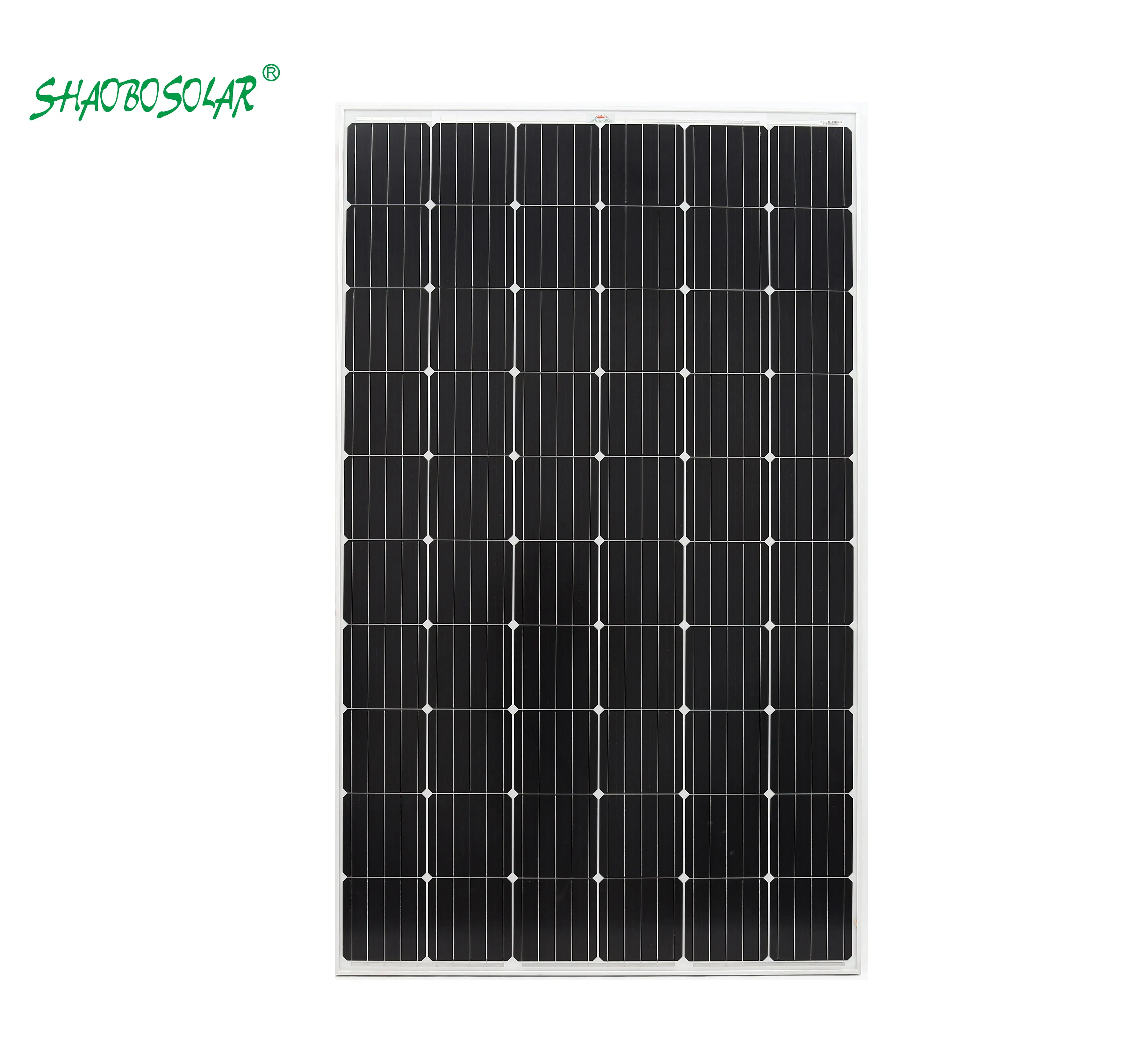
60 Cells 5bb 9bb 300w 320w Mono Solar Pv Module
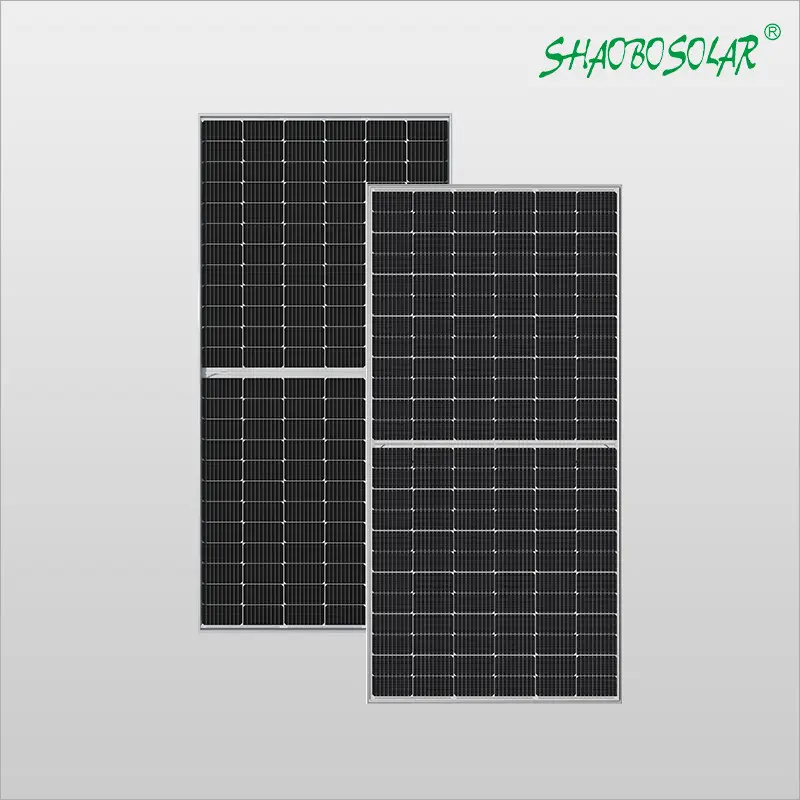
540w 530w 600w High Power Half Cut Mono Solar Pv Module


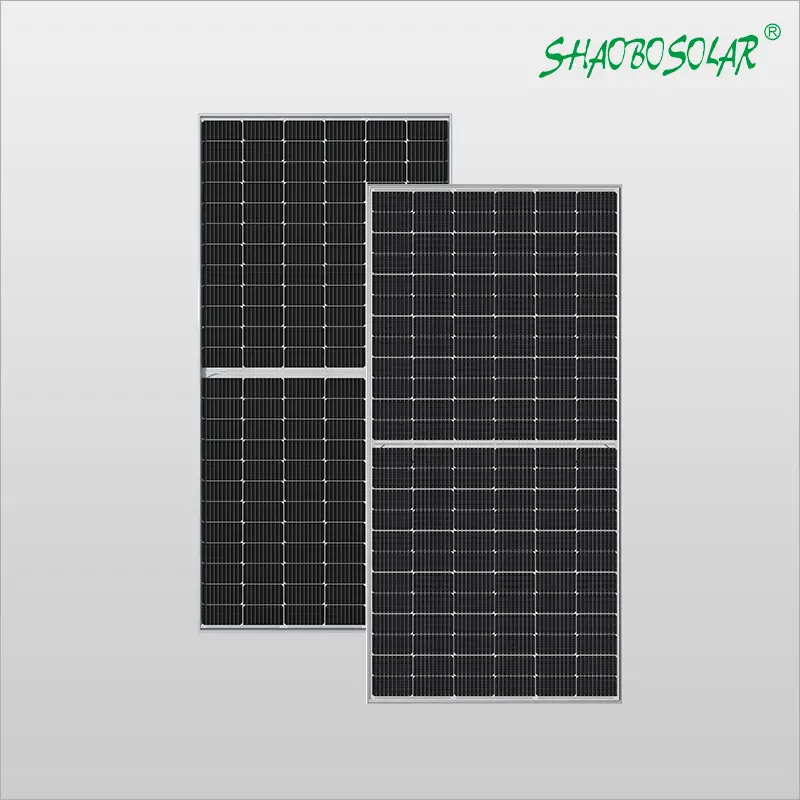


In today’s solar energy market, there are three main types of solar panels commonly used for residential, commercial, and industrial power systems: monocrystalline, polycrystalline, and amorphous silicon (thin-film) solar panels. Each type has unique features, efficiency levels, and ideal application scenarios, depending on project requirements and budget.
1. Monocrystalline Solar Panels
Monocrystalline panels, also called mono silicon solar cells, are made from a single continuous crystal structure. This type of panel is recognized for its high efficiency, typically ranging from 18% to 23%, due to its pure silicon composition and advanced cell design. Mono panels have a sleek black appearance and excellent performance in limited space or low-light conditions. They are ideal for homeowners or commercial users seeking the highest energy output and long-term reliability. Though slightly more expensive, their superior conversion rate and longer lifespan make them a preferred choice for premium installations.
2. Polycrystalline Solar Panels
Polycrystalline, or multi silicon solar cells, are produced by melting multiple fragments of silicon together. Their average conversion efficiency is around 15% to 17%, slightly lower than that of monocrystalline panels. However, they offer a more cost-effective solution for large-scale installations where space is not a major concern. Poly panels have a distinctive blue color and deliver stable performance under standard sunlight. With a balance of affordability and durability, they are widely used in solar farms and commercial energy projects that prioritize economic efficiency.
3. Amorphous Silicon Solar Panels
Amorphous, or thin-film solar cells, represent the third category. Unlike crystalline panels, these are made by depositing non-crystalline silicon onto a substrate such as glass or metal. Their key advantage lies in their ability to generate electricity even under weak sunlight or cloudy weather. However, their conversion efficiency is relatively low—around 6% to 10%—and tends to degrade faster over time. Despite this, amorphous panels are lightweight, flexible, and suitable for portable applications or building-integrated photovoltaics (BIPV).
In summary, monocrystalline panels offer the highest efficiency, polycrystalline panels provide a cost-effective balance, and amorphous panels deliver flexibility for special uses. Choosing the right type depends on your budget, installation area, and energy goals—but all contribute to harnessing clean, renewable solar energy for a sustainable future.


Hit enter to search or ESC to close