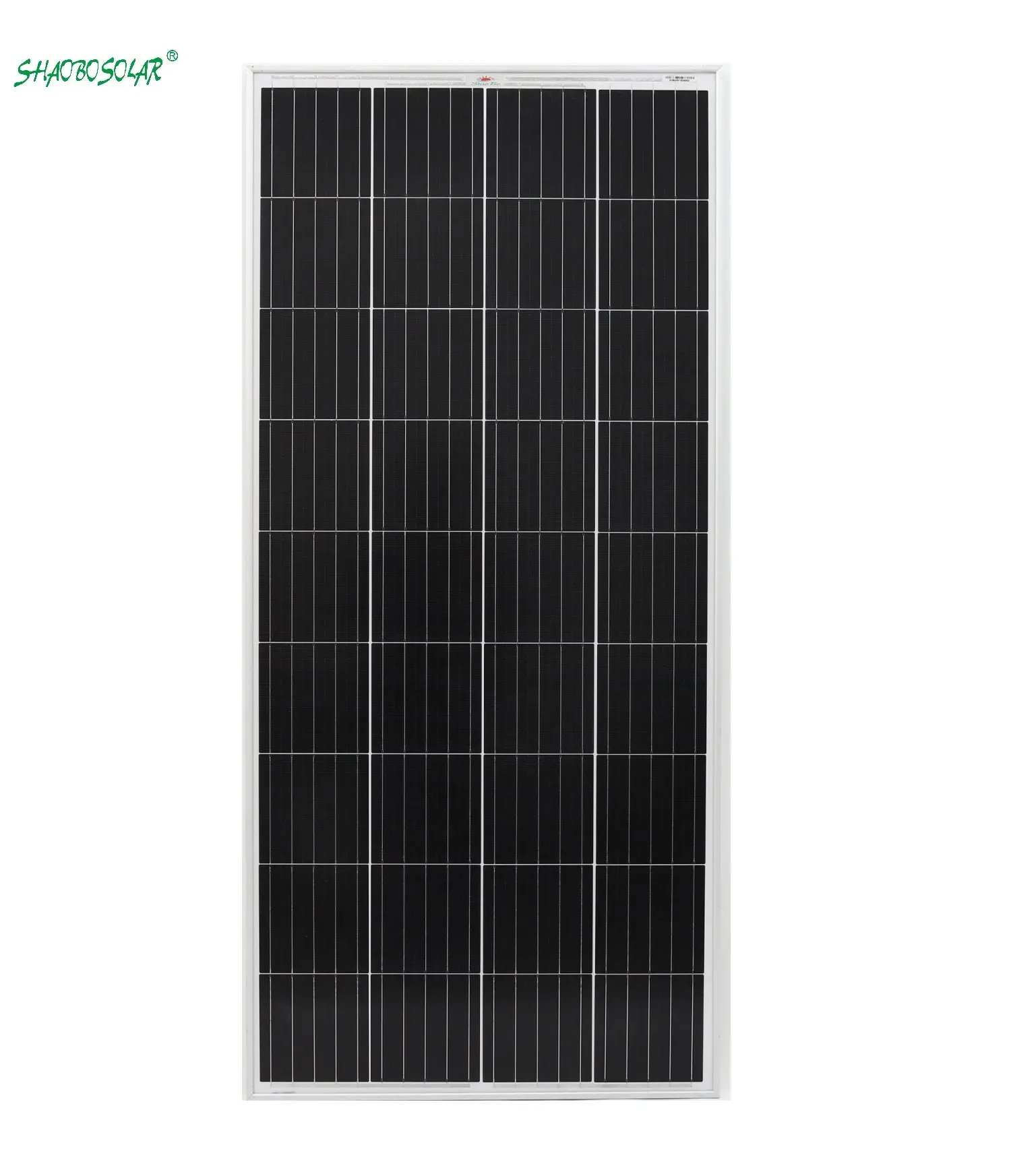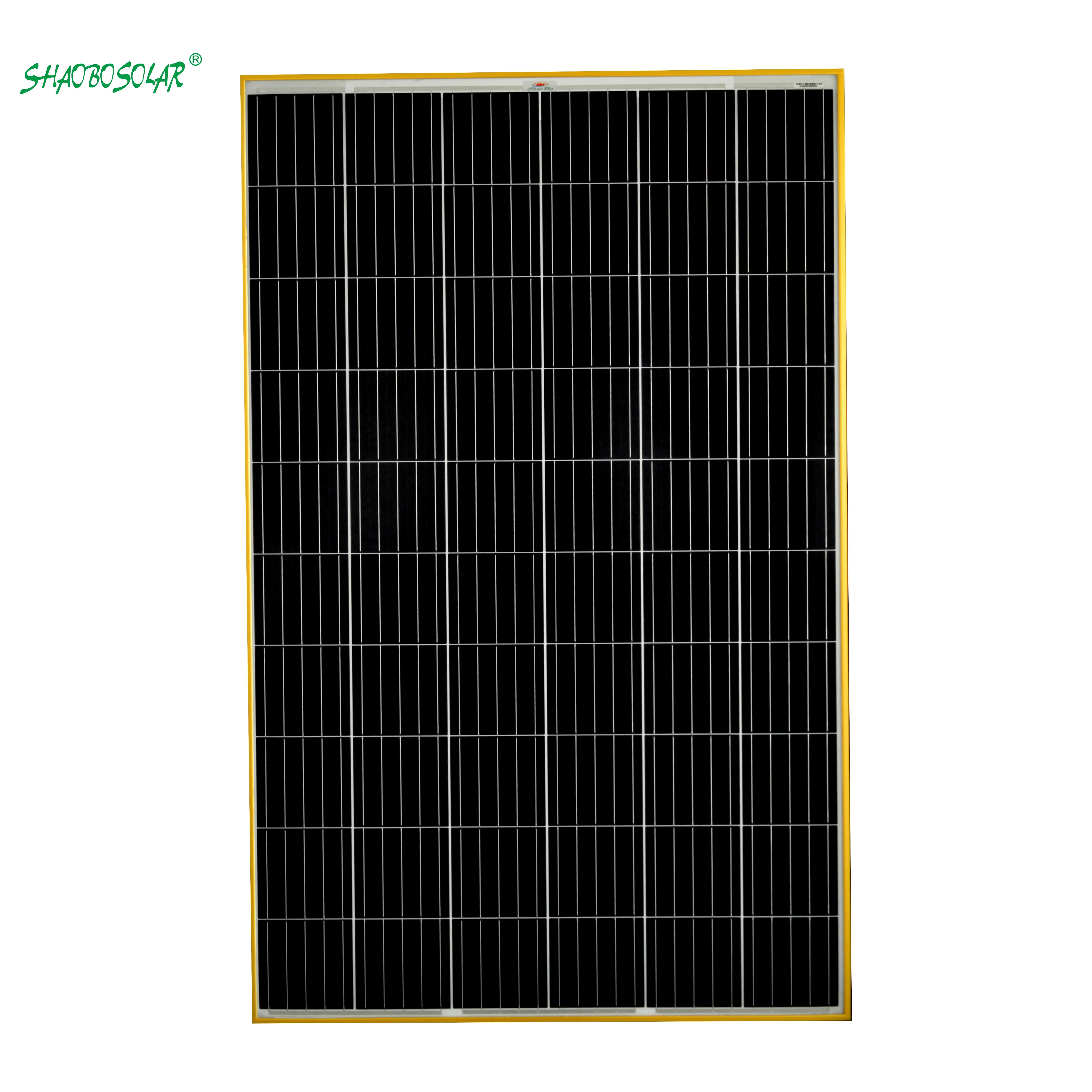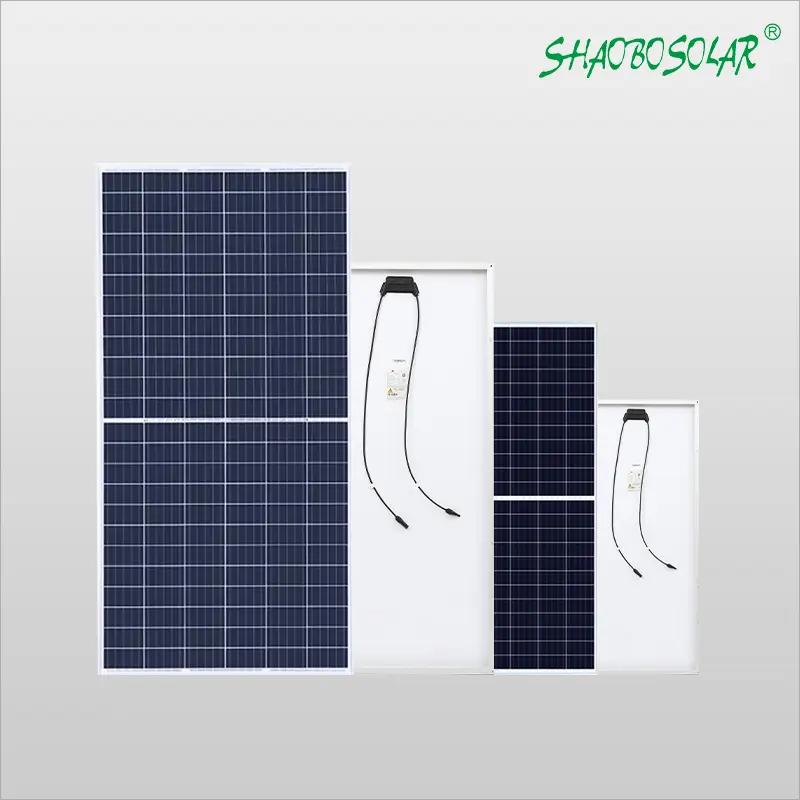


The typical lifespan of modern solar panels is 25 to 30 years, though many continue to generate electricity well beyond that period at slightly reduced efficiency. The “lifespan” refers to the time during which the panel maintains a high level of performance, usually above 80% of its original output.
Solar panels degrade gradually over time due to exposure to sunlight, temperature fluctuations, and environmental conditions such as humidity, wind, and snow. The average degradation rate is around 0.5% per year, which means a 25-year-old panel can still operate at roughly 87–90% of its initial capacity.
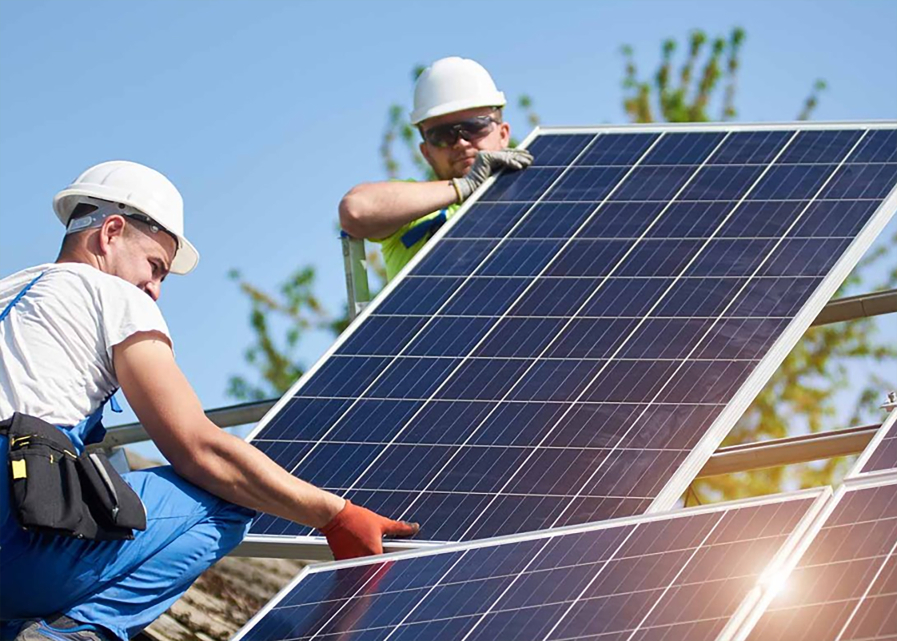
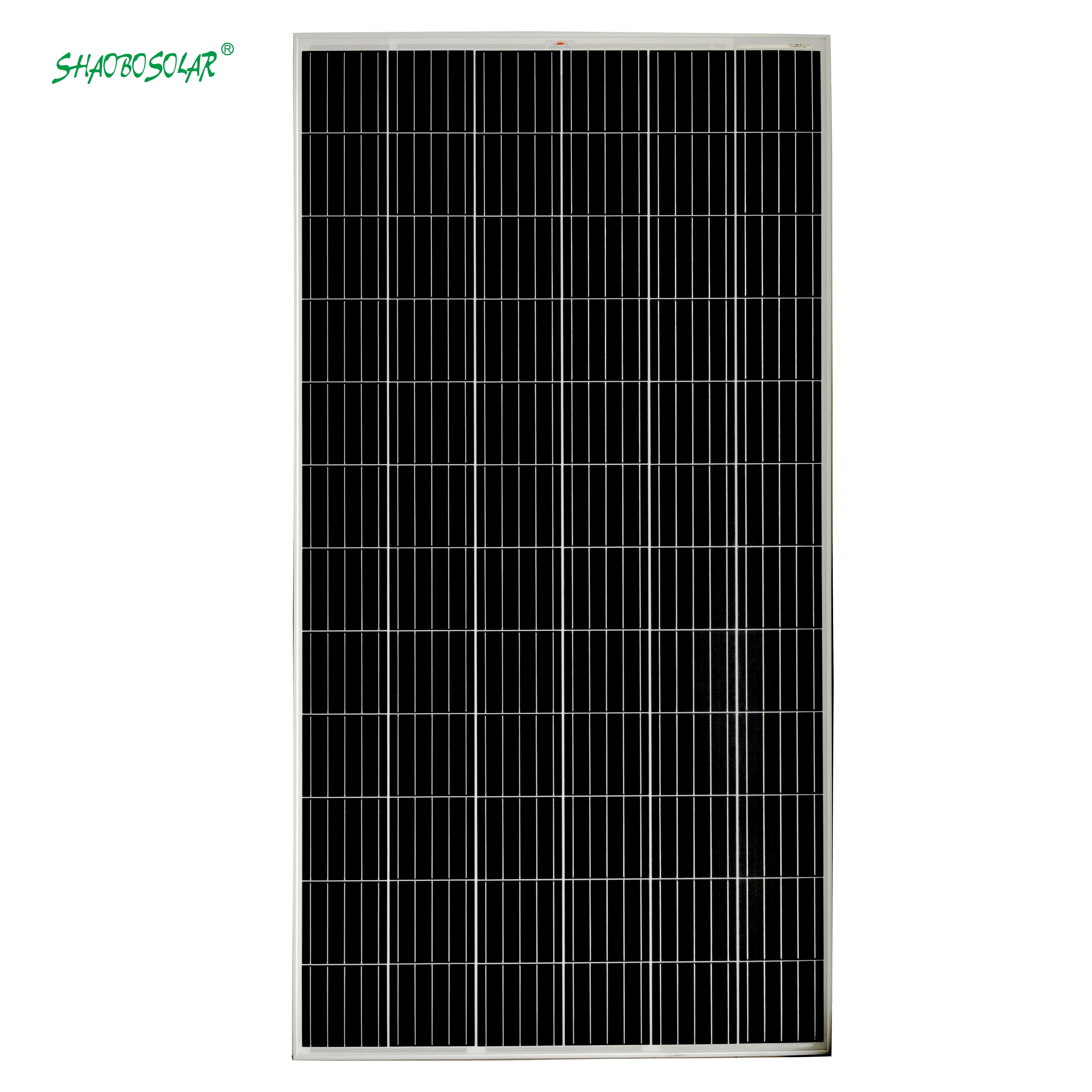
High-quality panels, like those from reputable manufacturers such as ShaoBo, are built with advanced materials and robust encapsulation layers that resist moisture and UV damage. These panels undergo rigorous testing under international standards (IEC 61215, IEC 61730) to ensure long-term durability. Proper installation and maintenance also play a crucial role in extending lifespan.
Key factors that influence solar panel longevity include:
Material quality – high-grade silicon and anti-reflective coatings enhance resistance to degradation.
Manufacturing process – consistent quality control reduces the risk of microcracks and delamination.
Installation angle and location – proper tilt helps prevent dirt buildup and reduces heat stress.
Environmental exposure – panels installed in moderate climates tend to last longer.
Manufacturers typically offer 25-year performance warranties and 10–15-year product warranties. After 30 years, solar panels still produce electricity but at a reduced rate, making them a valuable long-term investment. With minimal maintenance and no moving parts, solar panels can provide clean energy for decades, greatly offsetting initial costs and environmental impact.


Hit enter to search or ESC to close