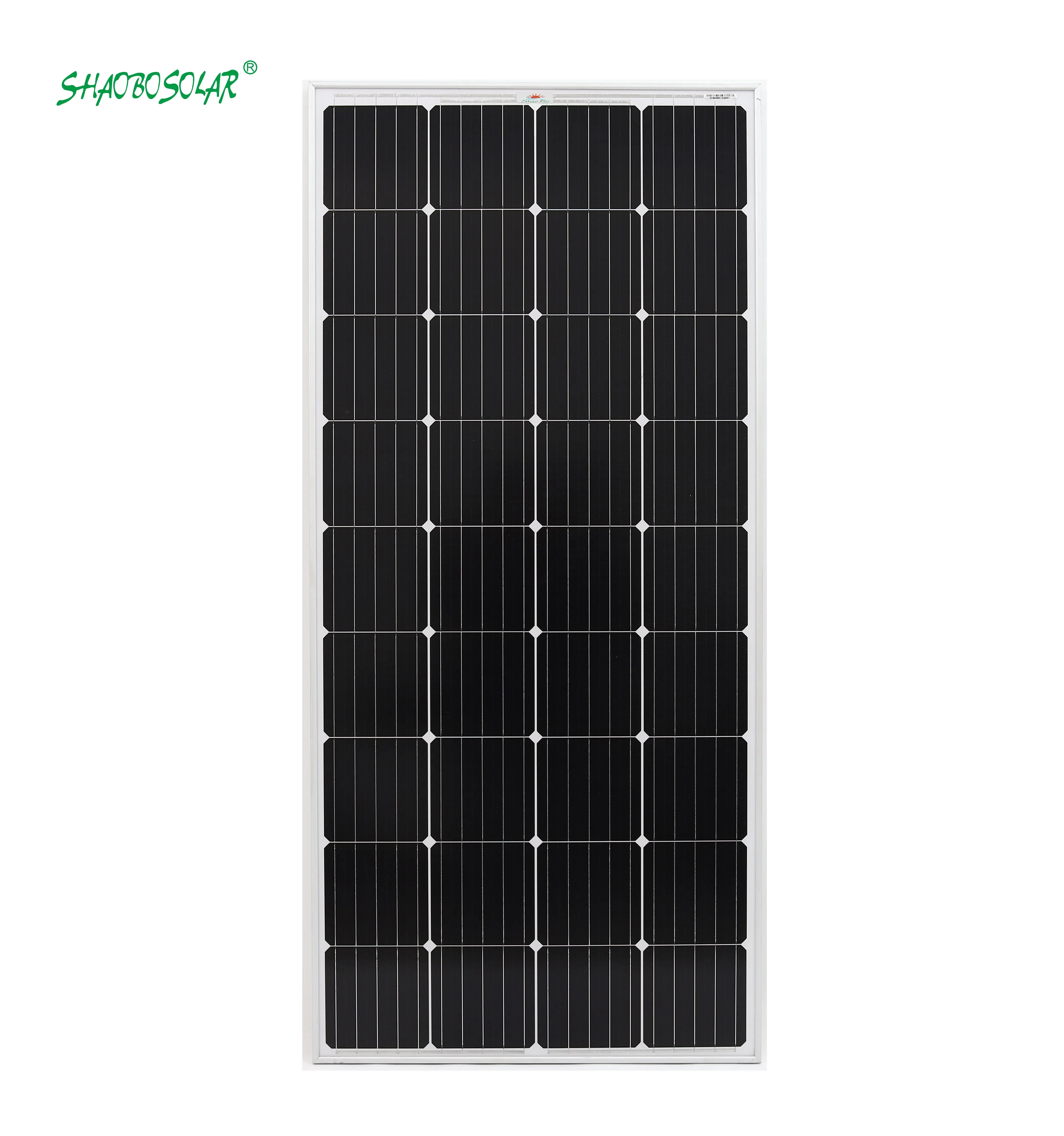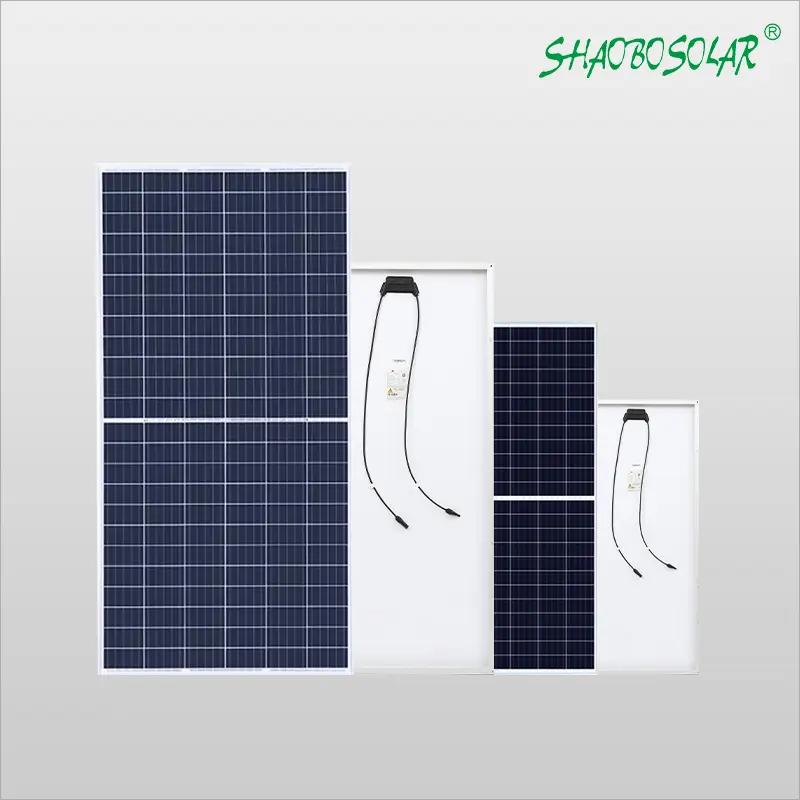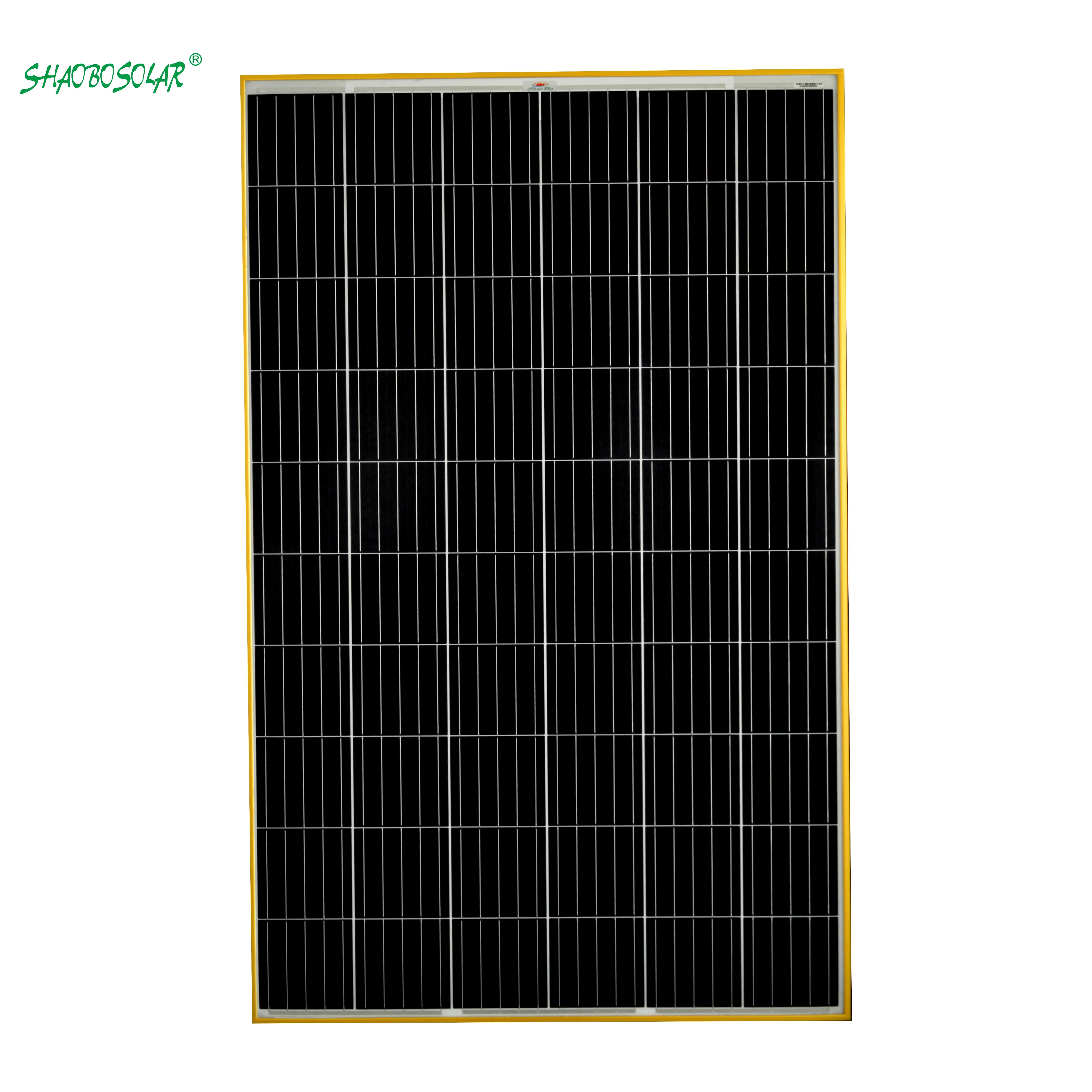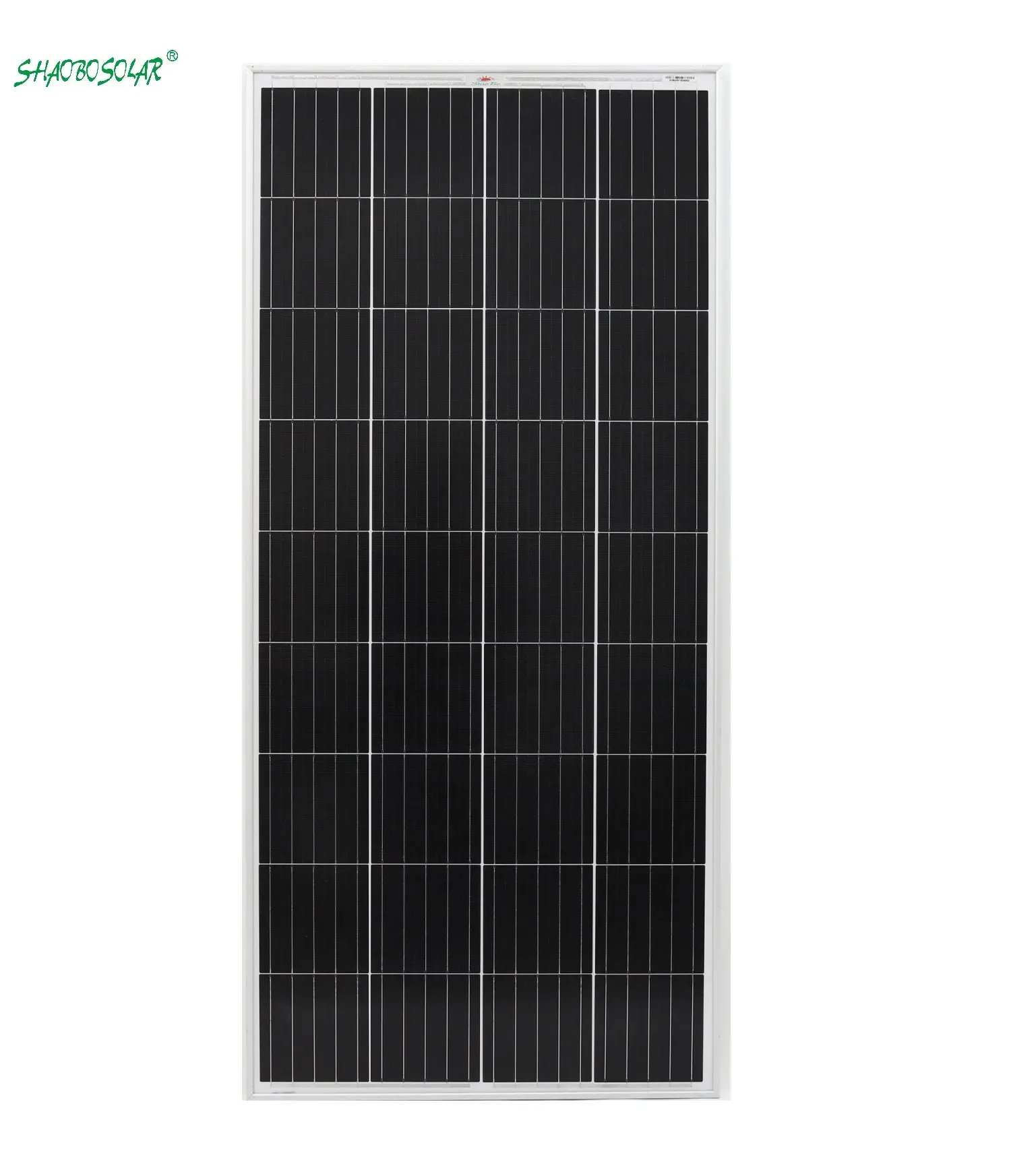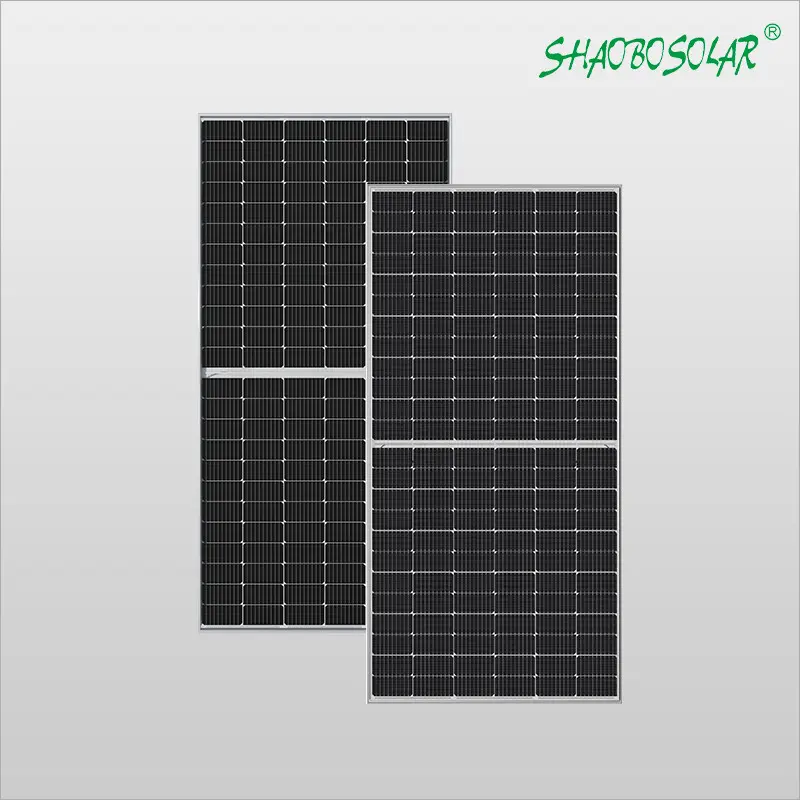


585W Mono Solar Panel
Model | SBM-10-144-585W |
Peak power(Pmax) | 585W |
Max.power voltage(Vmp) | 43.61V |
Max.power current(lmp) | 13.42A |
Open circuit voltage(Voc) | 52.34V |
Short circuit current(lsc) | 14.12A |
Efficiency | 21.65% |
Power tolerance | 0~+5W |
Max.system voltage | 1500V DC |
Series fuse rating | 25A |
Number of bypass diode | 3 |
Operating temperature | -40℃ to+85℃ |
STC:rradiance 1000W/m2,Module temperature 25℃,AM=1.5 | |
Mechanical Characteristics | |
Dimensions | 2278*1134*35/30mm |
Weight | 144 cells in series(TOPCon182*91mm ) |
Solar cells | 27kg,monofacial glass 32kg,bifacial dual glass |
Monofacial glass | High transmits,Low lron,3.2mm Tempered Glass |
Bifacial glass | High transmits,Low lron,2.0mm Tempered Glass |
Cable | Cooper(4m㎡) |
Lengths | 300mm(+)and300mm(-),or customized |
Connector | MC4 Plug Types |
Fame | Aluminium-alloy |
Quality Parameters | |
DC withstand voltage | Maximum 6000 VDC |
Maximum load | 5400pa |
Hail test | Diameter 25mm,speed 23m/s |
Where is Monocrystalline Solar Panel Used?
Monocrystalline solar panels are widely recognized for their high efficiency, sleek design, and long lifespan, making them suitable for a variety of applications. These panels are made from single-crystal silicon, which allows them to convert sunlight into electricity more efficiently than other types of solar panels. Their versatility allows them to be used in both residential and commercial settings.
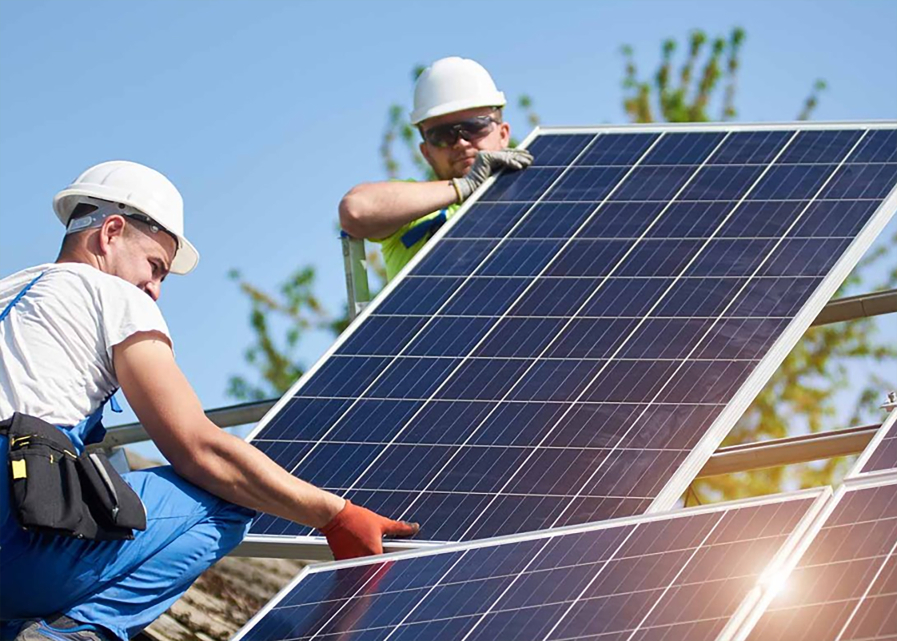
In residential applications, monocrystalline solar panels are commonly installed on rooftops to provide homes with clean, renewable energy. Their high efficiency makes them ideal for limited roof space, as fewer panels are needed to generate the same amount of electricity compared to polycrystalline alternatives. Homeowners benefit from lower electricity bills, increased energy independence, and the potential to sell excess electricity back to the grid.
Commercial buildings also frequently use monocrystalline solar panels. Offices, warehouses, factories, and shopping centers often have large rooftops that can accommodate extensive solar systems. The high efficiency of monocrystalline panels ensures maximum energy output, helping businesses reduce operational costs and improve sustainability. Many companies also choose these panels to demonstrate environmental responsibility and meet green building standards.
Beyond urban settings, monocrystalline solar panels are increasingly applied in off-grid and remote areas. They power rural homes, schools, healthcare facilities, and agricultural operations where access to conventional electricity is limited. Portable monocrystalline panels are also used in recreational vehicles, boats, and emergency energy solutions, offering reliable and efficient power in diverse conditions.
Additionally, these panels are suitable for solar farms and large-scale renewable energy projects. Their superior efficiency and durability make them ideal for installations that aim to generate significant amounts of electricity over a long period.
In conclusion, monocrystalline solar panels are highly adaptable and used across residential, commercial, remote, and industrial scenarios. Their efficiency, longevity, and compact design make them a top choice for anyone seeking reliable, sustainable solar energy solutions.
Efficiency of Monocrystalline Silicon Solar Cells
Monocrystalline silicon solar cells are widely recognized for their high efficiency and superior performance compared to other types of solar cells, such as polycrystalline or thin-film cells. Efficiency refers to the ability of a solar cell to convert sunlight into usable electricity. Monocrystalline cells are made from single-crystal silicon, which allows electrons to move more freely, resulting in higher energy conversion rates. Modern monocrystalline solar cells typically achieve efficiency levels between 20% and 24%, with some advanced models exceeding 25% under optimal conditions.
The high efficiency of monocrystalline cells is particularly advantageous in scenarios where space is limited, such as residential rooftops or commercial buildings with small roof areas. Because each panel produces more power per square meter, fewer panels are needed to meet energy requirements. This makes monocrystalline cells a cost-effective choice when installation space is constrained.
In addition to high energy conversion, monocrystalline silicon solar cells maintain stable performance across a wide range of temperatures and lighting conditions. They are more effective in low-light situations, such as cloudy days or early mornings, compared to polycrystalline alternatives. The longevity of monocrystalline panels is also notable, with many panels retaining over 80% of their original capacity after 25 years of operation.
Overall, the efficiency of monocrystalline silicon solar cells makes them a preferred choice for residential, commercial, and utility-scale solar projects. Their combination of high power output, space efficiency, and long-term durability ensures reliable electricity generation and maximizes return on investment for solar energy systems.
Mono Solar Panel Solutions for PV Project Developers
Mono solar panels provide highly efficient and reliable solutions for photovoltaic (PV) project developers. With their high energy conversion rates, monocrystalline panels are ideal for both large-scale solar farms and smaller commercial installations. Developers benefit from the compact design of monocrystalline panels, which allows for higher energy generation per unit area, reducing land or rooftop usage and optimizing project costs.
For utility-scale projects, mono solar panels are preferred because of their superior performance under various weather conditions. These panels maintain consistent output in high temperatures, low-light situations, and even on partly cloudy days. This reliability is essential for project developers seeking predictable energy production and maximum return on investment. Advanced mono panels also integrate well with modern tracking systems, further increasing energy yield throughout the day.
In commercial PV projects, monocrystalline panels help developers meet client demands for both efficiency and aesthetics. Their uniform dark appearance and sleek design make them suitable for rooftops, facades, and urban solar applications where visual appeal is important. Additionally, mono panels’ long lifespan and minimal maintenance requirements reduce operational costs, providing long-term value to investors and end users alike.
For off-grid or hybrid solar projects, monocrystalline panels offer compact and high-output solutions, enabling developers to design efficient systems even in areas with limited installation space. Combined with energy storage systems, they ensure stable power supply and maximize system performance.
In summary, mono solar panels are an effective choice for PV project developers. Their high efficiency, durability, and adaptability make them suitable for a wide range of applications, from residential rooftops to large-scale utility solar farms, ensuring reliable, cost-effective, and sustainable energy solutions.


Hit enter to search or ESC to close