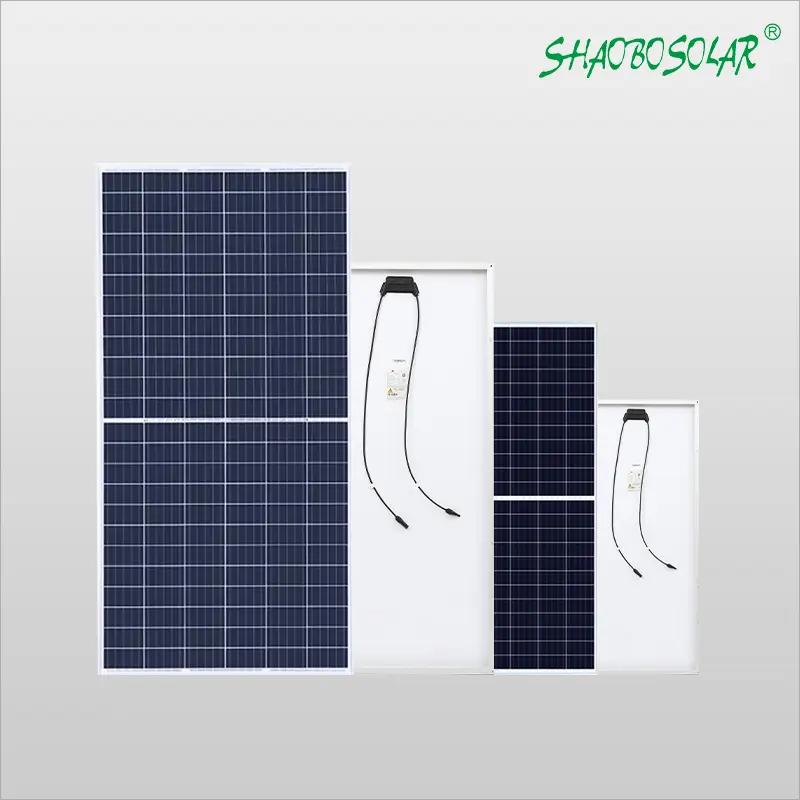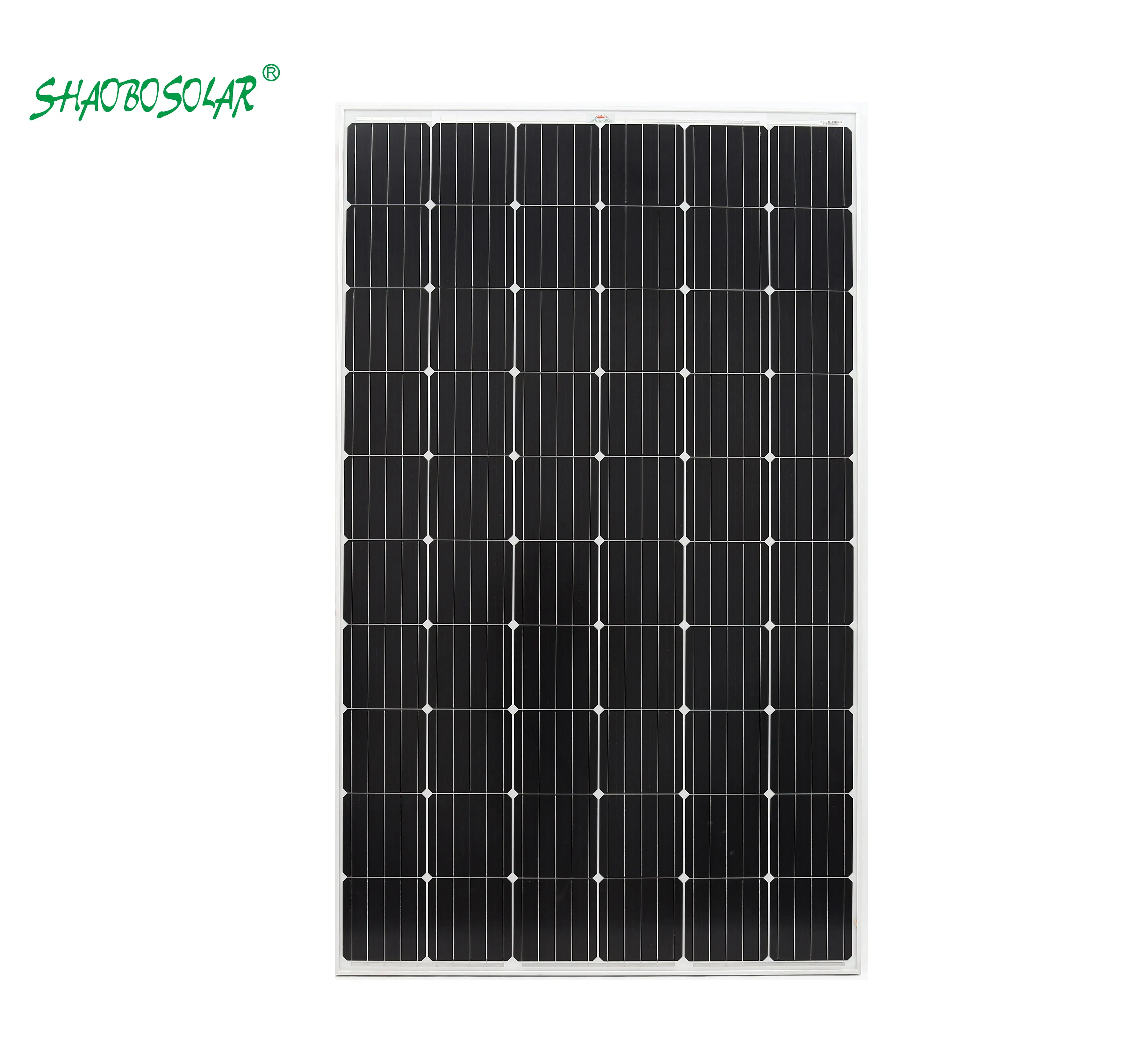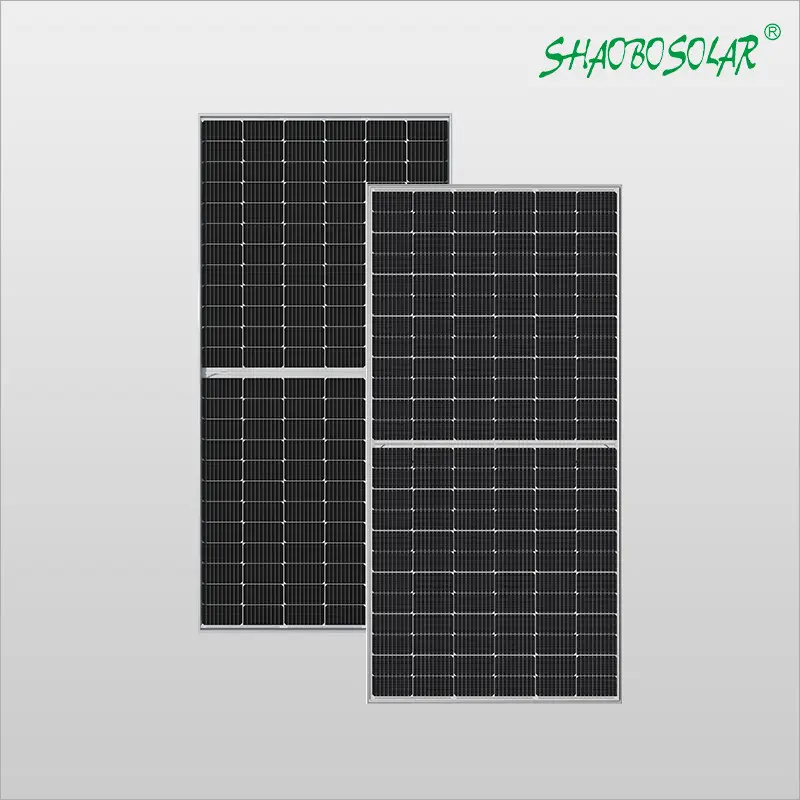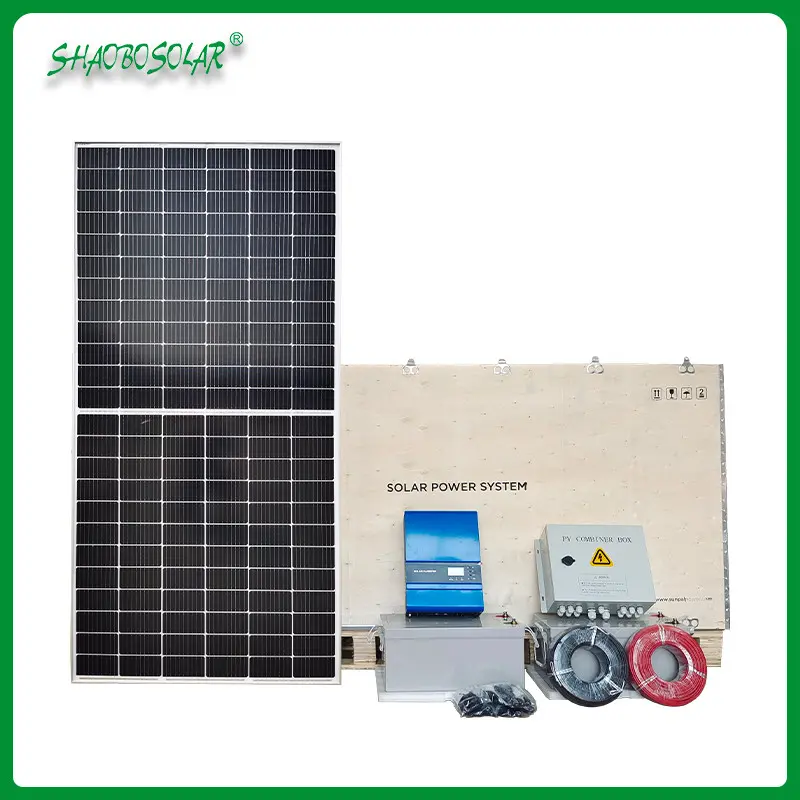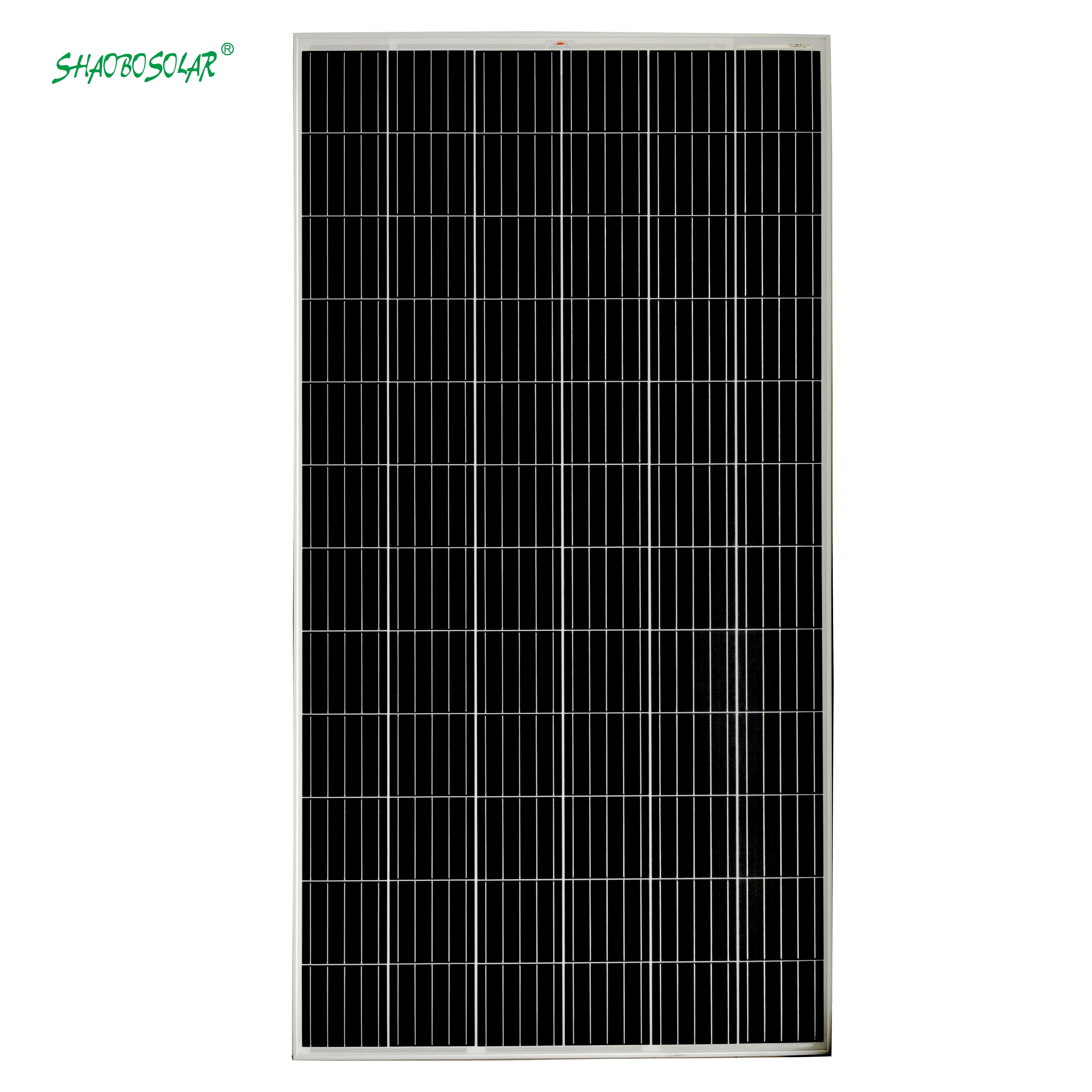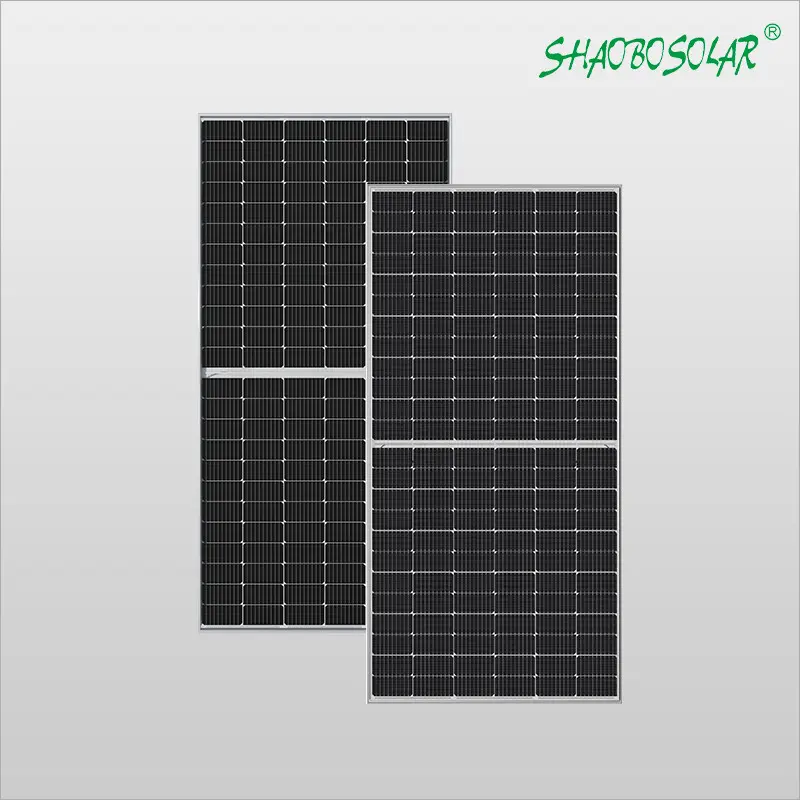


580W Mono Solar Panel
Model | SBM-10-144-580W |
Peak power(Pmax) | 580W |
Max.power voltage(Vmp) | 43.43V |
Max.power current(lmp) | 13.36A |
Open circuit voltage(Voc) | 52.14V |
Short circuit current(lsc) | 14.06A |
Efficiency | 22.45% |
Power tolerance | 0~+5W |
Max.system voltage | 1500V DC |
Series fuse rating | 25A |
Number of bypass diode | 3 |
Operating temperature | -40℃ to+85℃ |
STC:rradiance 1000W/m2,Module temperature 25℃,AM=1.5 | |
Mechanical Characteristics | |
Dimensions | 2278*1134*35/30mm |
Weight | 144 cells in series(TOPCon182*91mm ) |
Solar cells | 27kg,monofacial glass 32kg, bifacial dual glass |
Monofacial glass | High transmits,Low lron,3.2mm Tempered Glass |
Bifacial glass | High transmits,Low lron,2.0mm Tempered Glass |
Cable | Cooper(4m㎡) |
Lengths | 300mm(+)and300mm(-),or customized |
Connector | MC4 Plug Types |
Fame | Aluminium-alloy |
Quality Parameters | |
DC withstand voltage | Maximum 6000 VDC |
Maximum load | 5400pa |
Hail test | Diameter 25mm,speed 23m/s |
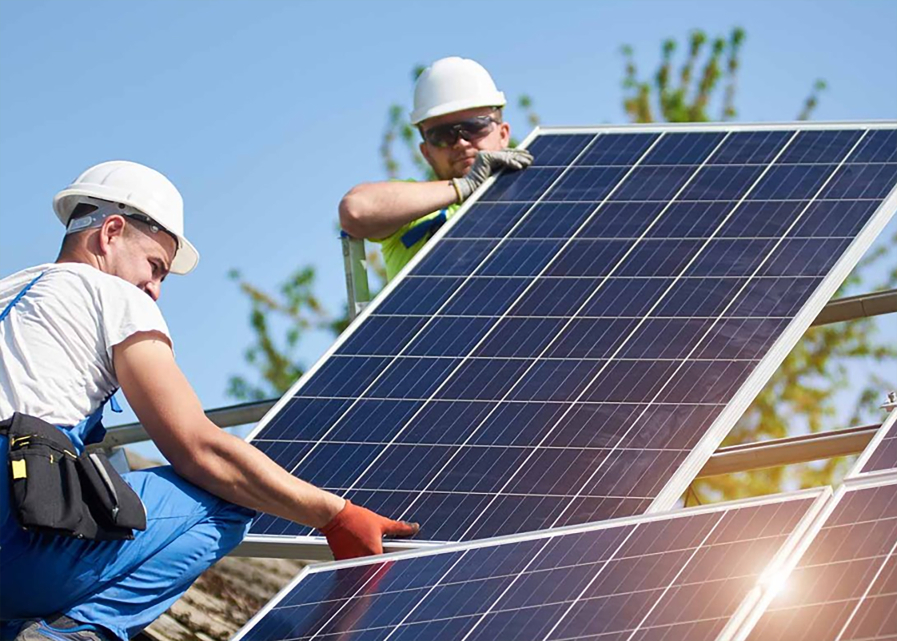
Solar panels are one of the most versatile and sustainable energy solutions available today. They can be applied in a wide range of scenarios, from residential rooftops to large-scale commercial installations, providing clean electricity while reducing dependence on fossil fuels. For homeowners, solar panels offer a reliable way to lower electricity bills and increase energy independence. By installing solar photovoltaic (PV) systems on rooftops, households can generate their own power, store excess energy with batteries, and even sell surplus electricity back to the grid in some regions.
In commercial buildings, solar panels are increasingly used to meet high energy demands efficiently. Offices, shopping centers, and industrial facilities can install large-scale solar systems to offset electricity costs, reduce carbon footprints, and demonstrate corporate sustainability. Commercial solar systems often include advanced mounting structures and tracking technology to maximize energy generation throughout the day.
Beyond urban applications, solar panels are valuable in remote and off-grid areas. In locations without reliable access to electricity, standalone solar systems can power homes, schools, clinics, and agricultural equipment, improving quality of life and supporting local development. Portable solar panels are also used for outdoor activities, emergency relief, and mobile operations, providing flexible and renewable energy wherever needed.
Moreover, solar energy integrates well with other sustainable technologies. Solar panels can be combined with energy storage, electric vehicles, and smart grids to create efficient, resilient, and environmentally friendly energy networks. As technology advances, solar panels continue to become more efficient, affordable, and adaptable, making them suitable for nearly every scenario—from individual households to large-scale industrial operations and remote off-grid communities.
In summary, solar panels are not just an energy solution—they are a versatile tool that can be tailored to residential, commercial, and remote applications, helping meet global energy needs sustainably and reliably.
Monocrystalline solar panels are highly efficient and reliable, but their energy production is naturally affected by weather conditions, particularly cloud cover. On cloudy or overcast days, the intensity of sunlight reaching the panels is reduced because clouds diffuse and scatter the sunlight. This means that while the panels cannot operate at their full rated capacity, they are still able to generate electricity. Typically, monocrystalline panels can produce approximately 10–25% of their maximum output under cloudy conditions, depending on the thickness of the cloud cover and the amount of diffused light available.
This ability to capture and convert diffused sunlight makes monocrystalline panels suitable for regions with frequent cloudiness, seasonal variations, or unpredictable weather. Even on days when the sun is barely visible, these panels continue to generate power, contributing to a household’s or commercial facility’s energy needs. Unlike some other types of solar panels, monocrystalline cells maintain relatively stable efficiency in low-light conditions, which ensures more consistent energy production throughout the year.
In addition to cloudy days, monocrystalline panels perform well under various weather conditions, including rain and snow. While heavy snowfall may temporarily block sunlight, the smooth surface of the panels allows snow to slide off relatively easily, and the panels resume normal operation once cleared. Their high efficiency per square meter also means fewer panels are needed to generate the same energy compared to polycrystalline alternatives, which is particularly valuable in areas with limited rooftop space.
Moreover, monocrystalline panels can be combined with energy storage solutions such as batteries, which store excess energy generated during sunny periods. This stored energy can then be used when sunlight is insufficient, ensuring a continuous power supply even on extended cloudy periods. Overall, while cloudy weather does reduce immediate output, monocrystalline panels remain dependable for long-term, year-round energy production, making them an excellent choice for residential, commercial, and off-grid applications where reliability is critical.
Monocrystalline solar panels are designed to be durable and low-maintenance, which is one of their major advantages. Since they have no moving parts, their operation is inherently reliable, and most maintenance requirements are minimal and simple. The primary maintenance task is cleaning the panels to remove any debris that could obstruct sunlight. Common debris includes dust, leaves, bird droppings, or accumulated snow, all of which can slightly reduce efficiency if left on the surface. In most locations, cleaning the panels a few times a year is sufficient to maintain optimal performance. The cleaning process can usually be done with water and a soft brush or sponge, taking care not to scratch the surface of the panels.
In addition to cleaning, it is recommended to conduct a professional inspection of the solar system at least once a year. During this inspection, a technician will check electrical connections, ensure mounting hardware is secure, examine inverters and batteries if included, and monitor system performance. Regular inspections help identify potential issues early, such as loose wiring, minor corrosion, or shading problems, which could affect overall energy production if left unattended.
Monocrystalline panels are also resistant to weather-related wear, including rain, hail, and high winds. Their robust construction allows them to maintain performance over decades, often exceeding 25 years. With minimal maintenance, homeowners and businesses can rely on these panels for long-term energy generation. Furthermore, many modern panels come with protective coatings to resist dirt accumulation and improve longevity.
Overall, maintaining monocrystalline panels is straightforward: keep the surface clean, perform an annual inspection, and monitor system performance. These simple steps ensure that the panels continue to operate at high efficiency and provide sustainable, reliable electricity year-round. Their low maintenance requirements, combined with consistent energy production, make monocrystalline panels a practical and long-lasting investment for residential, commercial, and off-grid solar applications.


Hit enter to search or ESC to close