In recent years, solar energy has become an increasingly popular choice for homeowners seeking to reduce electricity costs, enhance energy independence, and contribute to environmental sustainability. Residential solar panels provide an efficient and reliable solution for harnessing the sun’s energy, offering long-term benefits in both financial savings and ecological impact. With the rise of advanced solar PV systems for residential use, homeowners now have access to highly efficient, durable, and aesthetically appealing solar technologies that seamlessly integrate into their living environments.
Understanding Residential Solar Panels
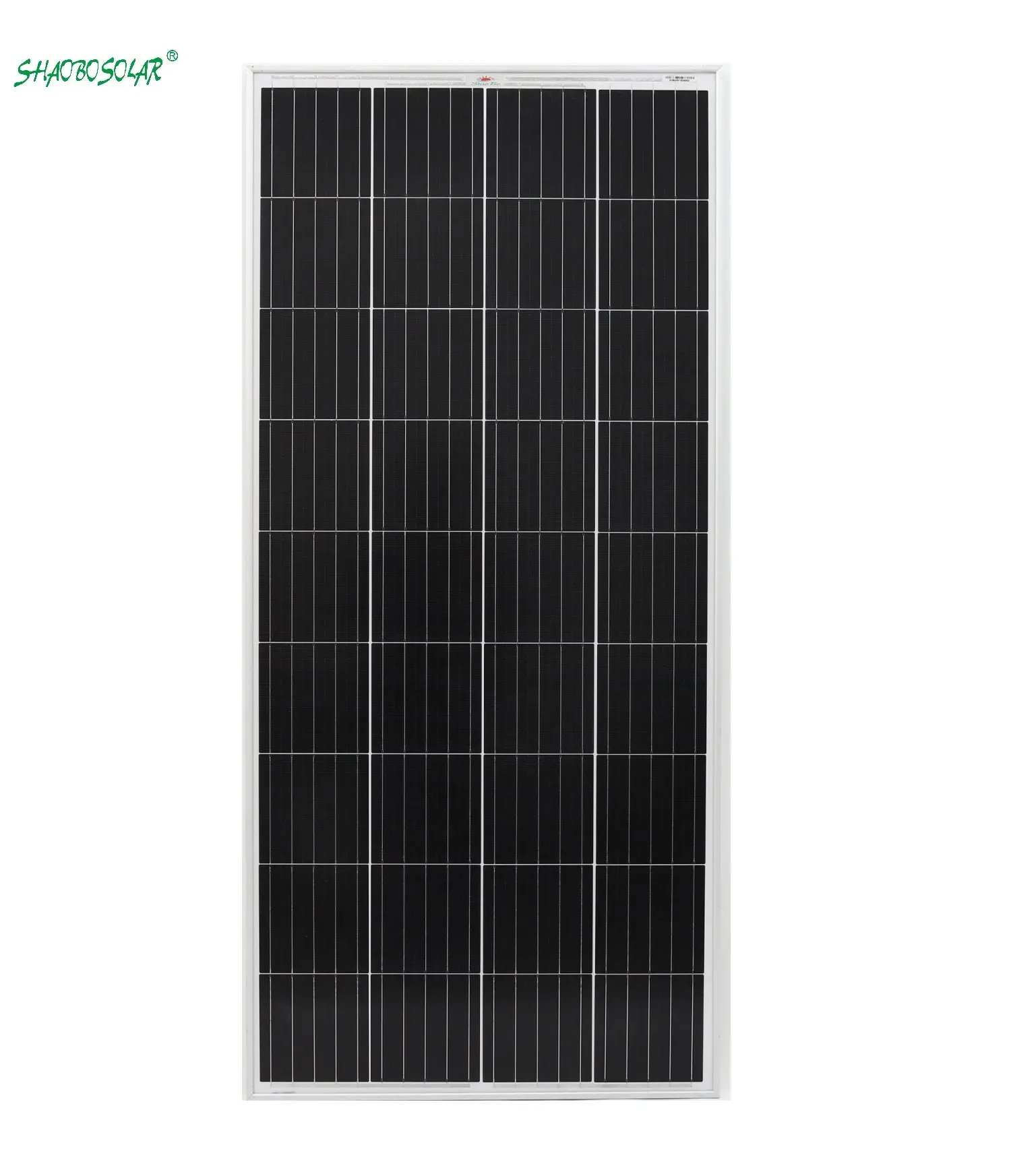
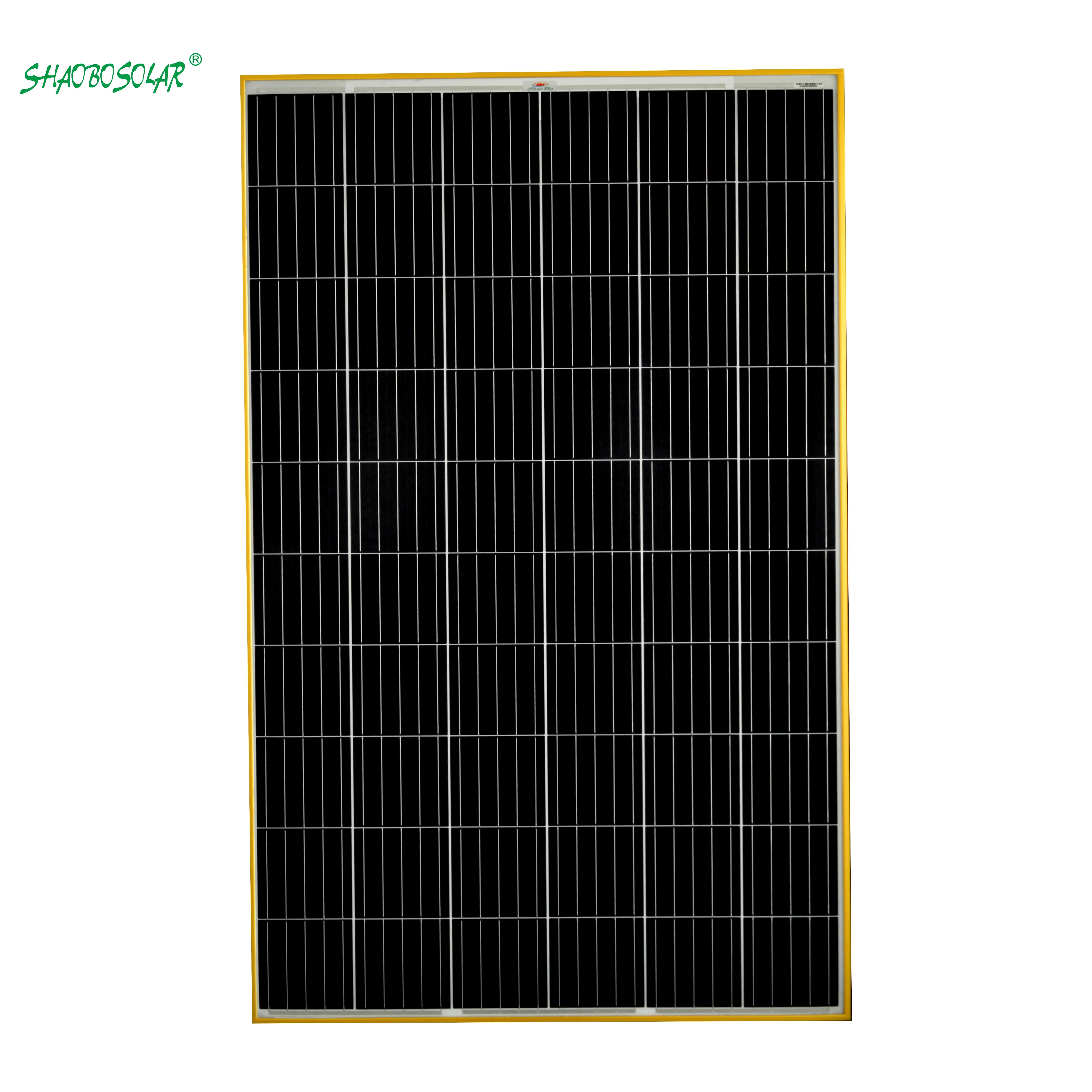
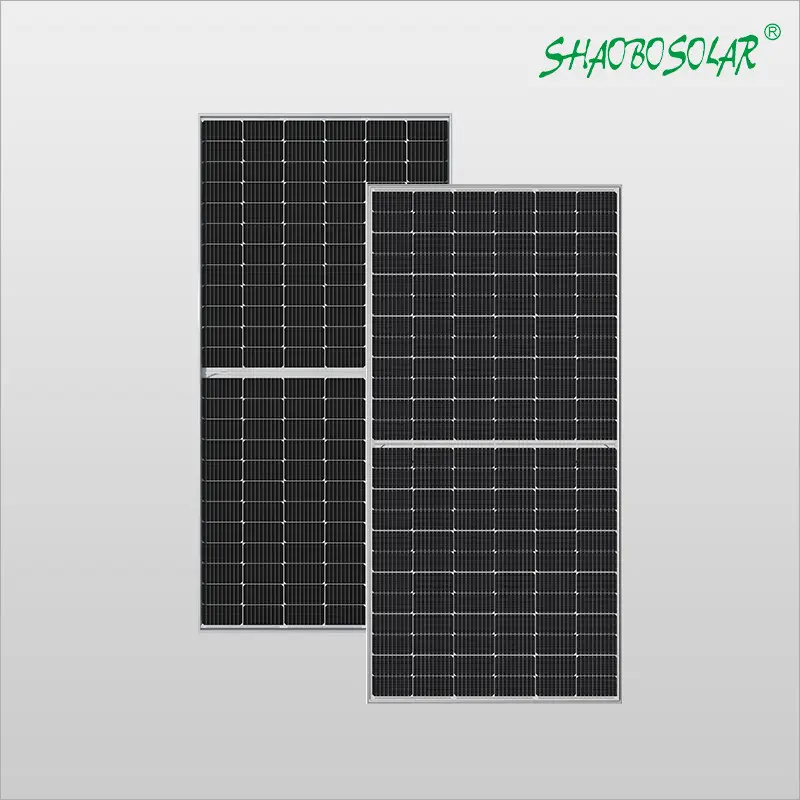
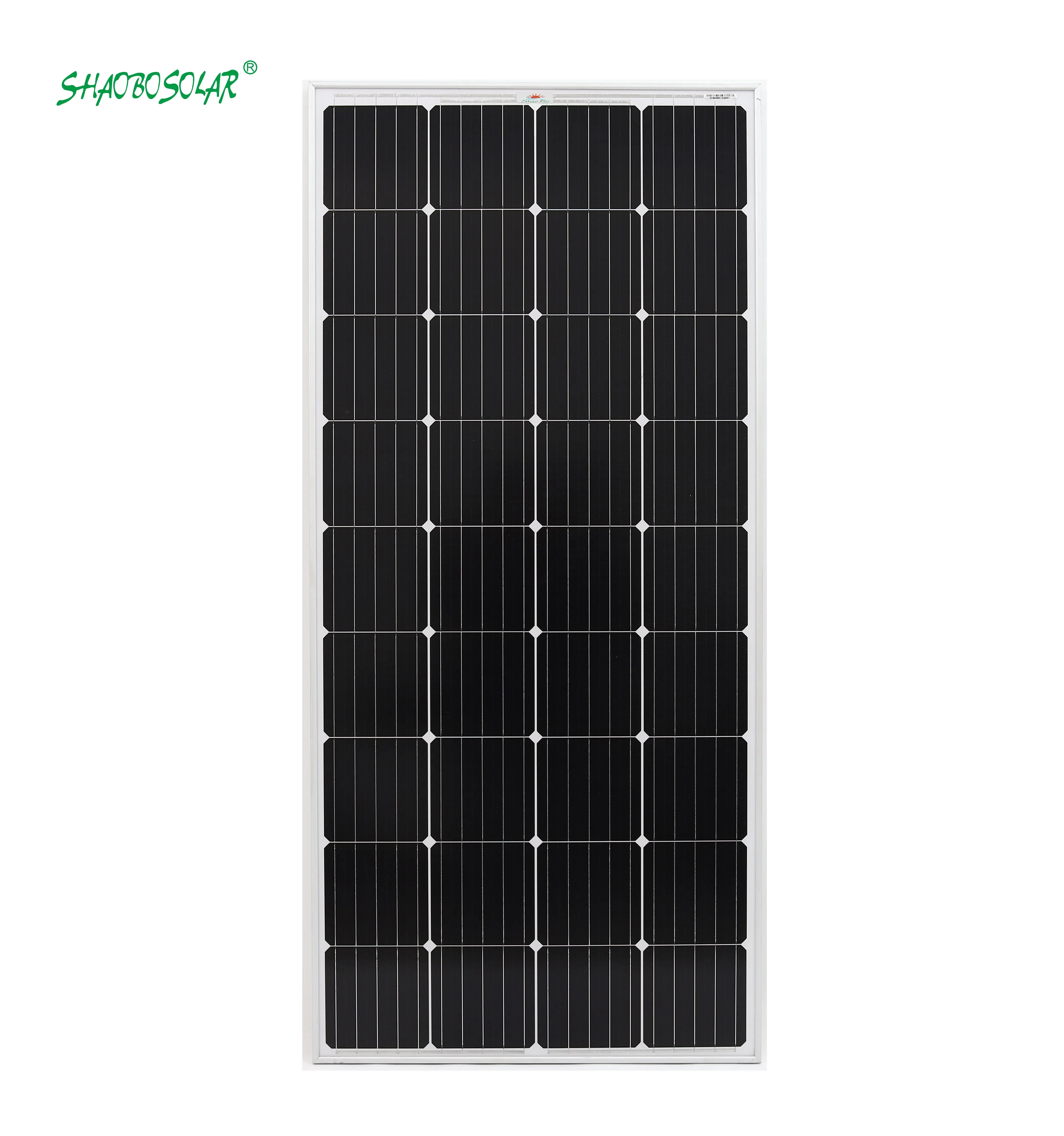
Residential solar panels are designed specifically to meet the energy demands of households. Unlike commercial or industrial panels, residential panels are optimized for smaller-scale installations and rooftops, making them ideal for single-family homes, apartments, or villas. The panels are generally available in monocrystalline or polycrystalline formats, each offering unique advantages in efficiency, cost, and performance.
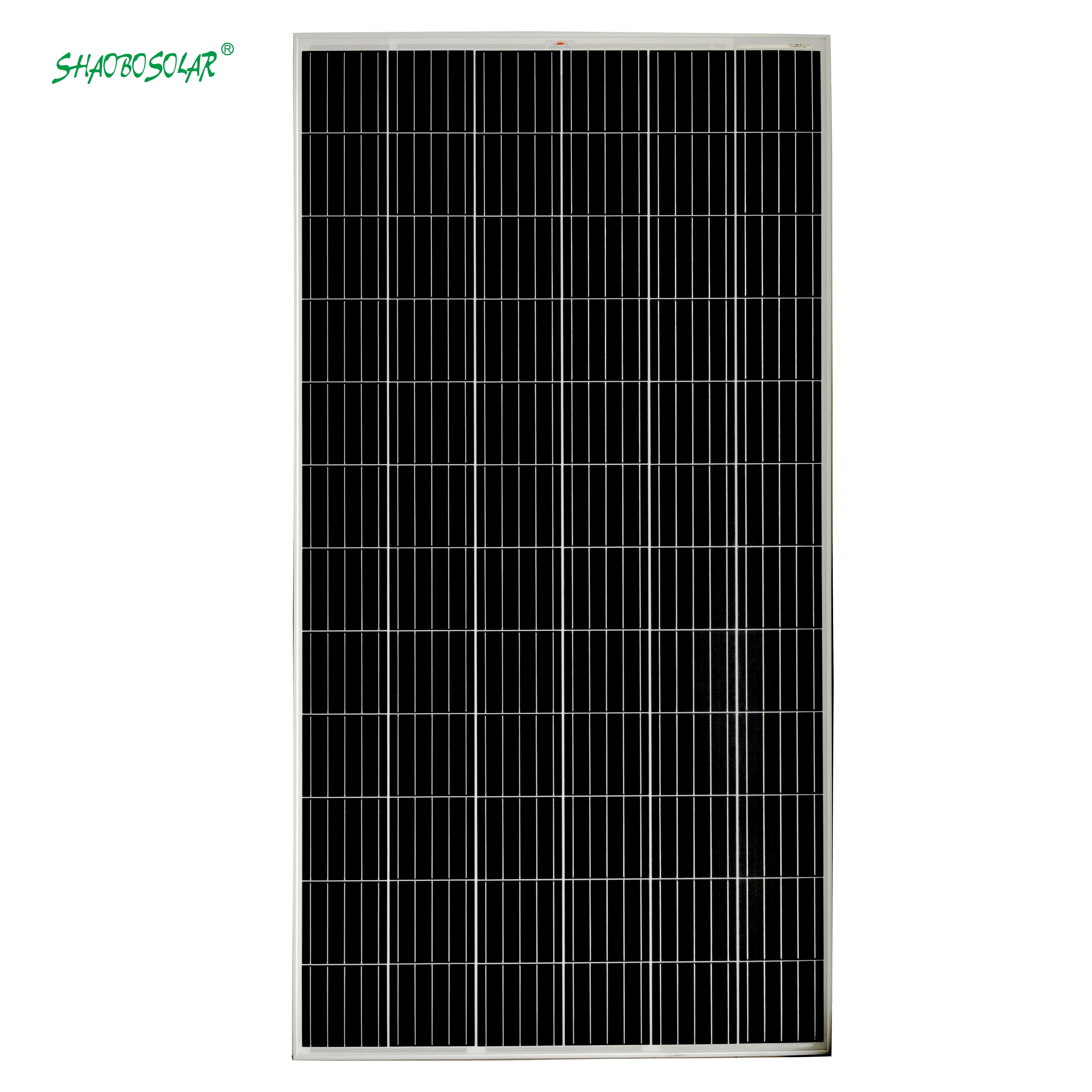
Monocrystalline panels are known for their high energy conversion efficiency, typically between 18% and 23%, and excellent performance under limited space or low-light conditions. Their sleek black appearance makes them a popular choice for homeowners seeking both efficiency and aesthetics.
Polycrystalline panels, while slightly less efficient (15%–17%), are more cost-effective and durable, making them suitable for larger installations where budget considerations are a priority. They are recognized by their blue-speckled surface, a hallmark of their multiple-crystal silicon composition.
A critical consideration when choosing residential panels is the standard residential solar panel size. Most panels range from 60-cell or 72-cell configurations, with typical dimensions of approximately 1.6 meters by 1 meter for 60-cell panels. These sizes are compatible with standard rooftops, allowing for flexible system design while maximizing sunlight exposure.
Solar PV Systems for Residential Use
A complete solar PV system for residential applications is more than just the panels themselves. It comprises several key components that work together to ensure efficient energy generation, storage, and utilization:
Solar Panels: The primary component, converting sunlight into direct current (DC) electricity.
Inverters: Devices that convert DC electricity from the panels into alternating current (AC) suitable for household use. Modern inverters often include smart features, allowing homeowners to monitor energy production in real-time.
Mounting and Racking Systems: These secure the panels to the rooftop at an optimal angle to maximize sunlight absorption. Advanced systems may include adjustable mounts or solar trackers for enhanced performance.
Energy Storage (Optional): Battery systems store excess energy for use during nighttime or cloudy conditions, increasing self-consumption and energy independence.
Monitoring Systems: Mobile apps and online dashboards provide real-time monitoring, helping homeowners track energy production, consumption, and system efficiency.
A properly designed residential solar PV system can meet a significant portion of a household’s electricity needs, reducing dependence on the grid and lowering monthly utility bills. By integrating solar panels with smart home energy management systems, homeowners can also optimize usage, shifting consumption to times when solar generation is at its peak.
Choosing the Right Residential Solar Panel Manufacturer
Selecting a reliable residential solar panel manufacturer is critical to ensuring long-term performance and durability. Established manufacturers, such as ShaoBo, provide panels that meet international standards such as IEC, CE, and ISO certifications, guaranteeing safety, efficiency, and reliability.
Key factors to consider when choosing a manufacturer include:
Product Quality: High-quality panels use premium silicon cells, durable encapsulation materials, and advanced anti-reflective coatings to maintain performance over decades.
Warranty and Support: Reputable manufacturers offer 25-year performance warranties and 10–15-year product warranties, ensuring that the panels continue to deliver reliable energy over time.
Technical Expertise: Manufacturers with strong R&D capabilities can provide cutting-edge solutions, such as PERC technology, bifacial modules, and low-temperature coefficient designs, which enhance efficiency and durability.
Global Supply and Distribution: Companies with a robust supply chain can deliver panels reliably, which is especially important for bulk residential installations or expansion projects.
Partnering with a trusted manufacturer reduces the risk of system failures, ensures consistent energy output, and provides homeowners with peace of mind for years to come.
Residential Solar Panel Installation
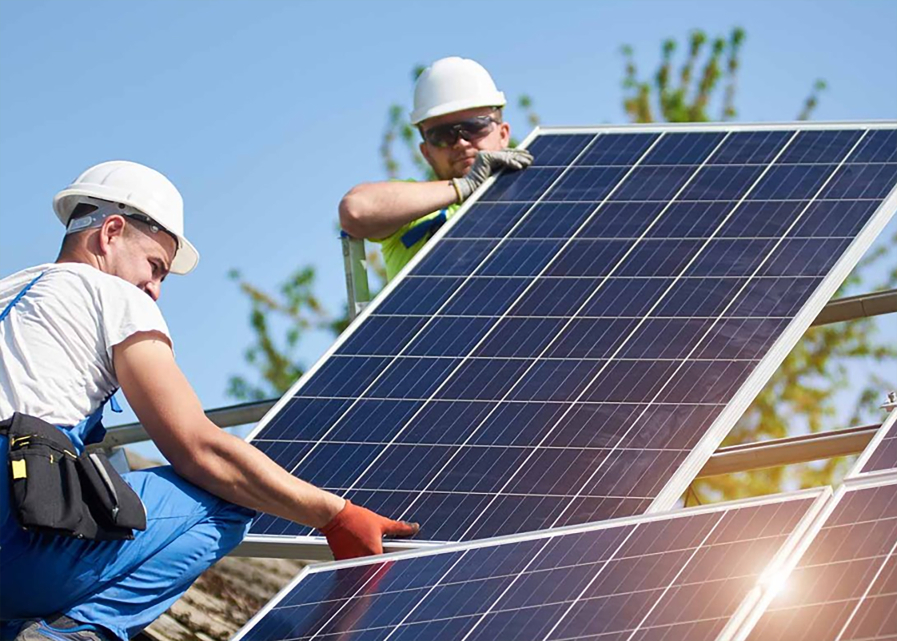
The residential solar panel installation process requires careful planning, professional expertise, and adherence to safety and regulatory standards. A typical installation involves the following steps:
Site Assessment: Evaluating rooftop space, orientation, shading, and structural integrity. This ensures optimal panel placement for maximum energy production.
System Design: Determining the number of panels, system size, inverter capacity, and optional battery storage based on household energy needs.
Mounting Installation: Installing racks or mounts at the correct angle to capture sunlight efficiently. For pitched roofs, panels are generally mounted parallel to the roof; flat roofs may use adjustable frames.
Electrical Wiring: Connecting the panels to the inverter, ensuring proper grounding, and linking the system to the home’s electrical network.
System Testing and Commissioning: Verifying power output, safety features, and monitoring integration to confirm optimal operation.
Professional installation not only ensures safety but also maximizes energy generation and system longevity. Most residential systems can be installed in 1–3 days depending on size and complexity.
Advantages of Residential Solar Panels
Implementing a residential solar PV system offers numerous benefits:
Reduced Energy Bills: Generate electricity on-site, lowering dependence on the grid.
Energy Independence: Store or use solar energy as needed, reducing vulnerability to rising electricity costs.
Environmental Benefits: Clean, renewable energy reduces carbon emissions and helps fight climate change.
Increased Property Value: Homes with solar panels often sell at a premium due to lower operating costs and sustainability appeal.
Low Maintenance: Solar panels have no moving parts, requiring minimal maintenance over decades.
By choosing the right panels, professional installation, and efficient system design, homeowners can maximize these benefits for years to come.
]Residential solar panels offer a practical, reliable, and sustainable solution for modern homes. With advancements in monocrystalline and polycrystalline technologies, homeowners can select systems that match their energy needs, budget, and rooftop space. Solar PV systems for residential use are not only cost-effective but also contribute to a greener, cleaner future. Choosing reputable residential solar panel manufacturers, understanding residential solar panel costs, and ensuring professional residential solar panel installation are key steps in achieving long-term energy independence. By adopting solar energy, households can enjoy reduced electricity bills, enhanced energy security, and a positive environmental impact—all while leveraging standard residential solar panel sizes for seamless integration into rooftops.


Hit enter to search or ESC to close