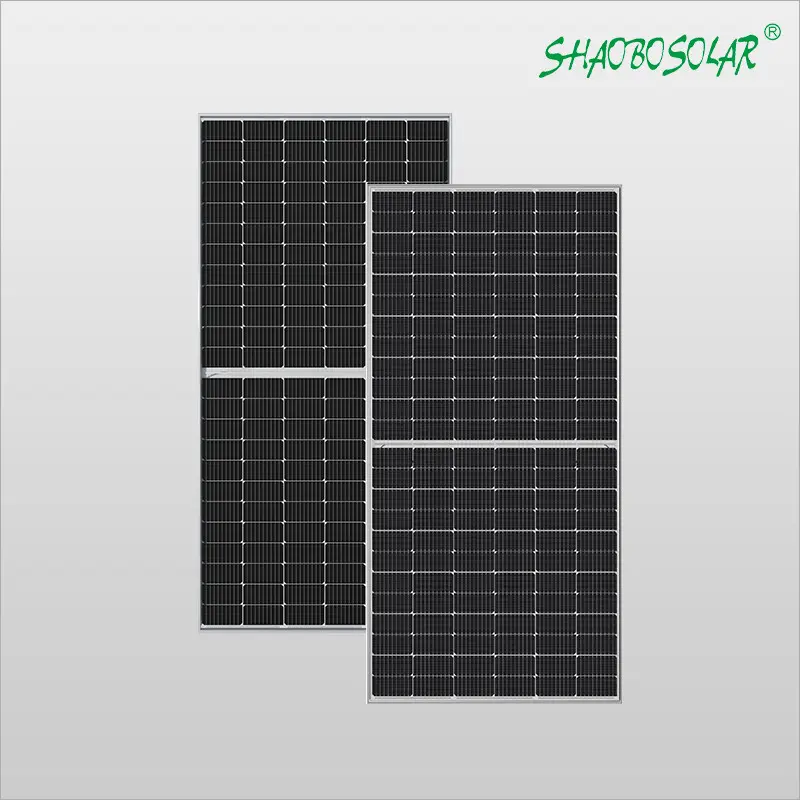
In today’s fast-evolving energy landscape, businesses are increasingly turning to renewable energy solutions to reduce operational costs, achieve sustainability goals, and contribute to a greener future. Commercial solar PV systems provide a reliable and cost-effective way for companies to harness solar energy, delivering clean electricity while offering long-term financial benefits. From office buildings and factories to warehouses and retail complexes, modern commercial solar systems are designed to meet the unique energy demands of various commercial operations.
Understanding Commercial Solar Systems
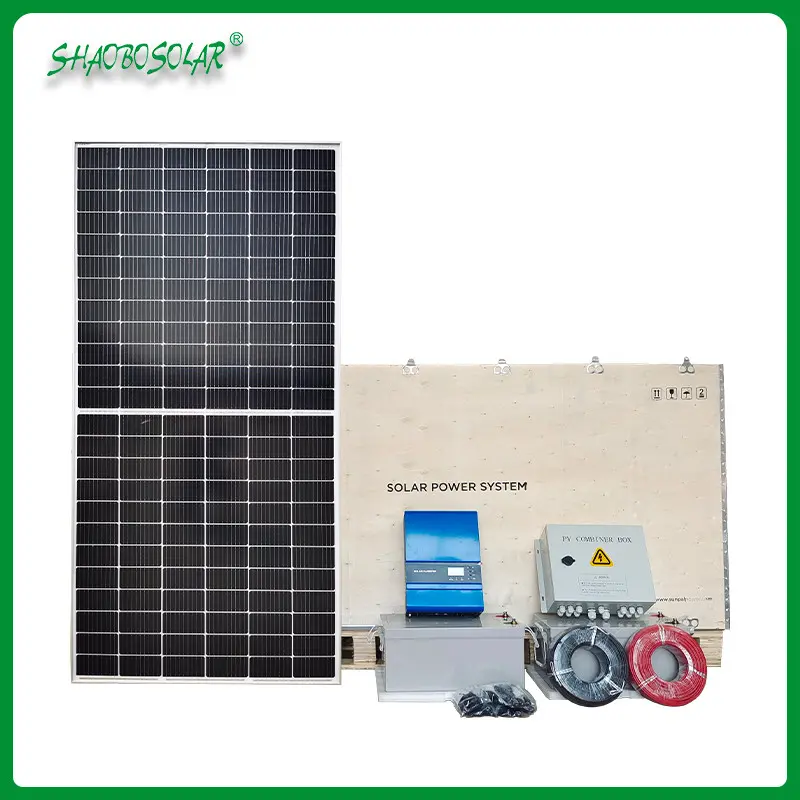
A commercial solar PV system is specifically designed to generate electricity for large-scale applications. Unlike residential solar systems, commercial systems often require higher energy output, larger installation areas, and integration with energy management systems to meet the dynamic electricity needs of businesses. Key components of commercial systems include:
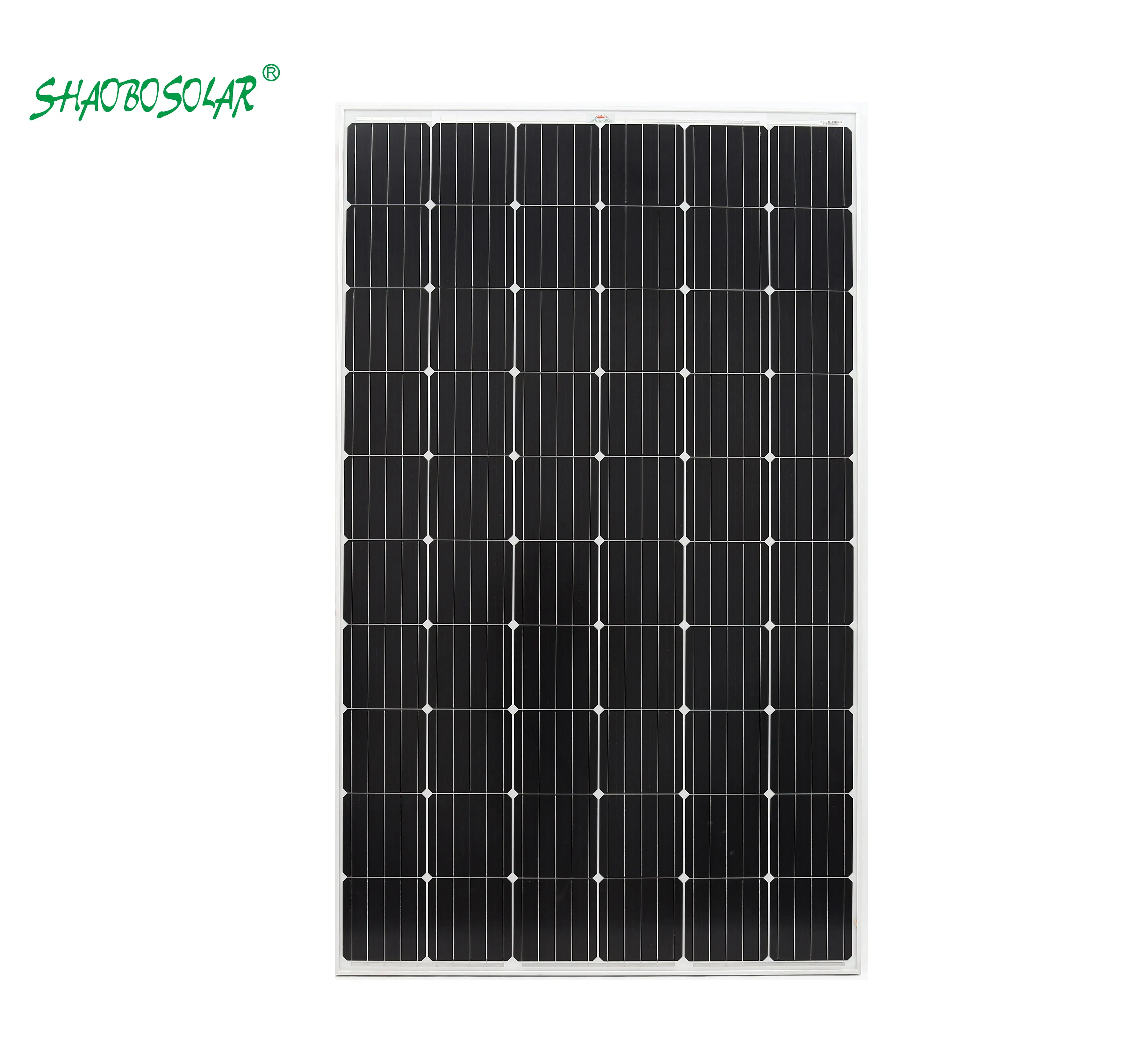
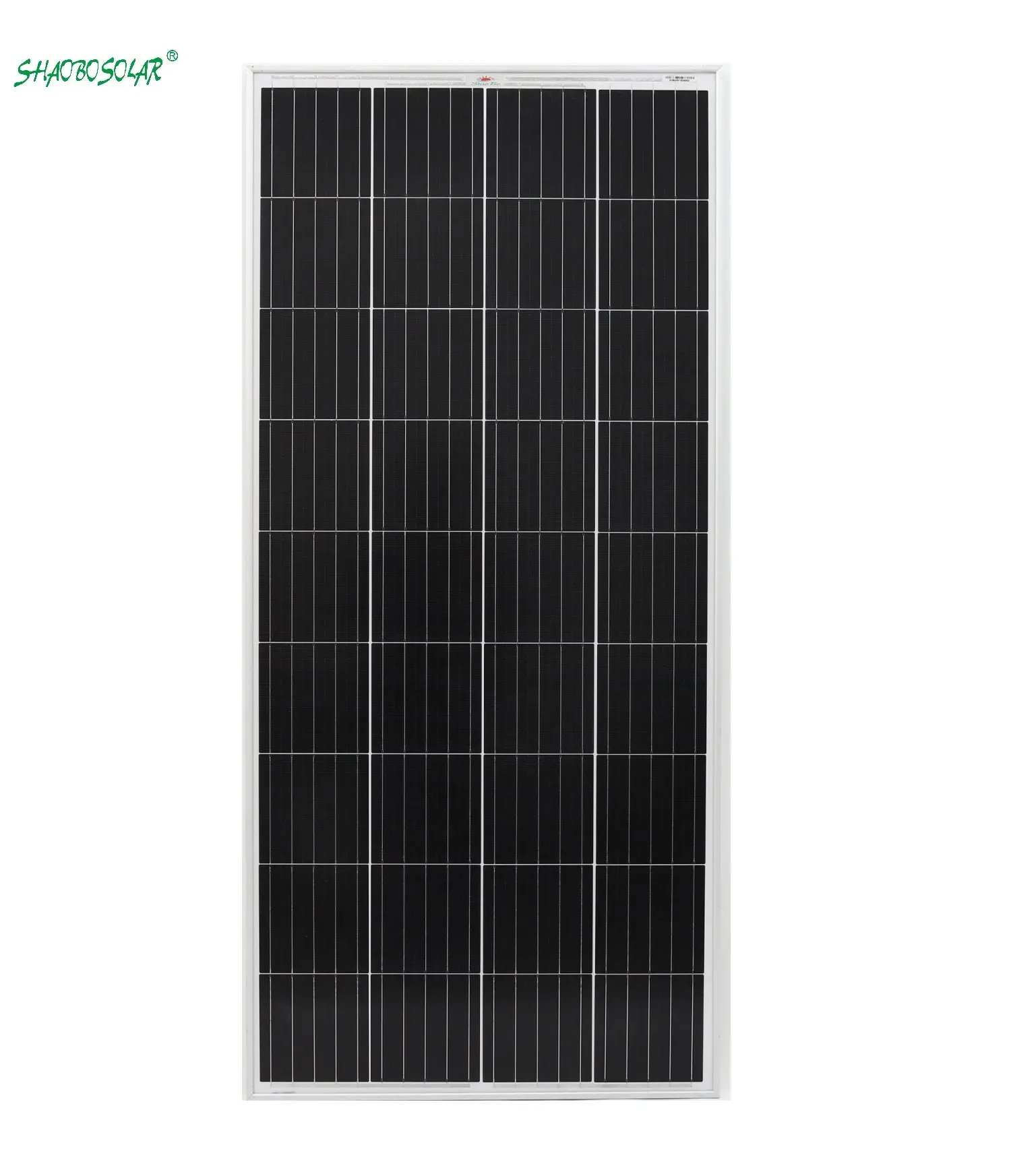
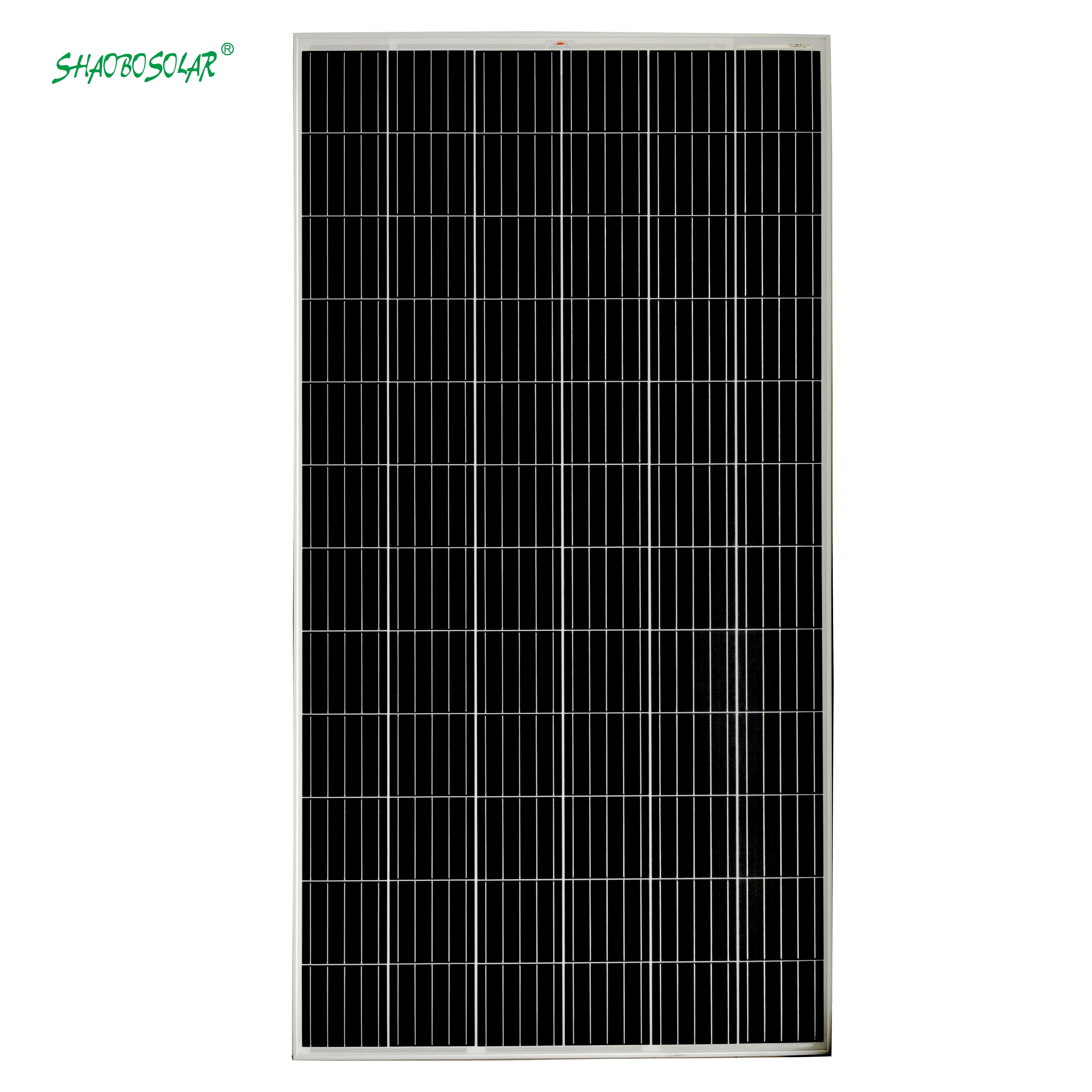
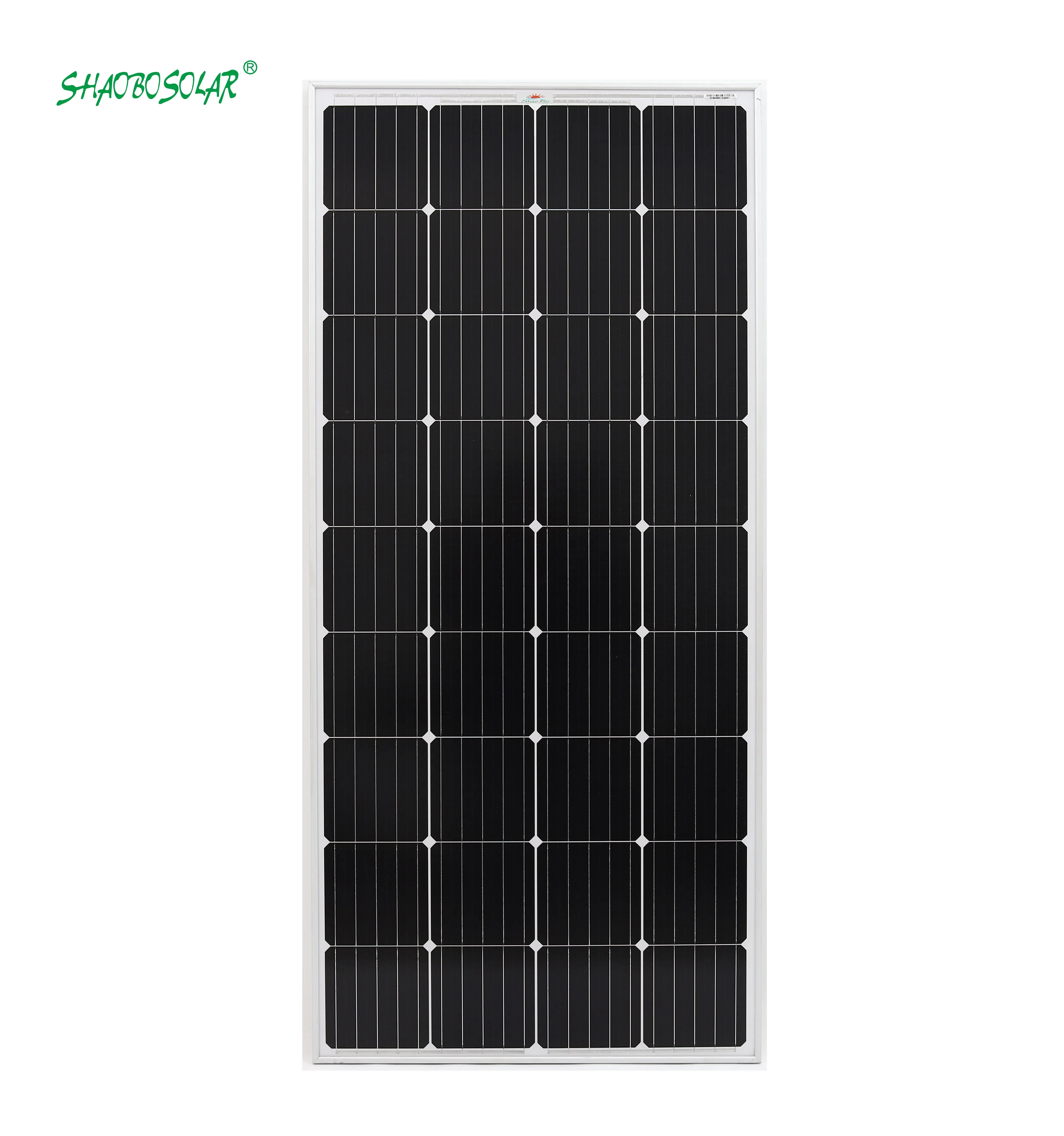
Solar Panels: High-efficiency monocrystalline or polycrystalline panels that convert sunlight into direct current (DC) electricity.
Inverters: Devices that convert DC electricity to alternating current (AC) suitable for commercial building use. Large commercial systems may use central inverters or string inverters depending on system size and configuration.
Mounting and Racking Systems: Specialized commercial solar mounting systems secure panels to rooftops or ground installations, optimized for durability and maximum sunlight exposure.
Monitoring Systems: Real-time monitoring and performance tracking ensure the system operates efficiently and allows for proactive maintenance.
Optional Energy Storage: Battery storage allows businesses to store excess energy for use during peak hours or power outages, enhancing energy security and operational resilience.
A properly designed solar power system for commercial buildings can significantly reduce electricity bills, provide predictable energy costs, and help companies meet corporate sustainability targets.
Benefits of Commercial Solar PV Systems
Investing in a commercial solar electric system offers multiple advantages for businesses of all sizes:
Cost Savings: By generating electricity on-site, commercial buildings can substantially reduce utility bills. Large-scale systems often provide a faster return on investment compared to residential installations due to economies of scale.
Energy Independence: Businesses gain greater control over their energy consumption, reducing reliance on fluctuating grid electricity prices and minimizing vulnerability to energy outages.
Sustainability and Environmental Impact: Using commercial solar energy systems reduces carbon footprint and demonstrates corporate commitment to renewable energy, which can enhance brand reputation and attract environmentally conscious clients or tenants.
Long-Term Reliability: Modern commercial solar panels are highly durable, with 25–30 years of performance warranties, ensuring consistent electricity generation over decades.
Key Components of a Commercial Solar Photovoltaic System
A robust commercial solar photovoltaic system is not just about panels—it is a comprehensive solution integrating multiple advanced components to maximize energy efficiency and return on investment.
Solar Panels for Commercial Buildings
Commercial solar panels are typically high-efficiency monocrystalline or polycrystalline modules designed to generate maximum electricity from available rooftop or ground space. Monocrystalline panels are preferred for limited roof areas due to their higher efficiency, while polycrystalline panels offer cost-effective performance for larger installations.
Inverters and Energy Management
Commercial systems use central inverters for large-scale applications or string inverters for modular system designs. Advanced inverters provide real-time monitoring, fault detection, and integration with building energy management systems. This ensures that solar panel systems for commercial buildings operate optimally under varying sunlight and load conditions.
Mounting and Racking Systems
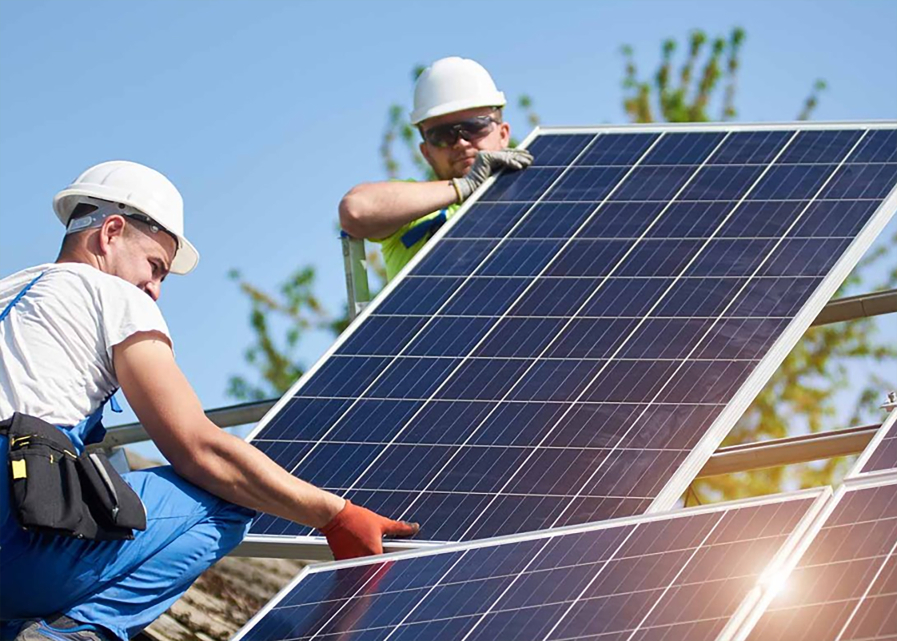
Durable commercial solar mounting systems are essential for maintaining panel orientation, stability, and performance. Roof-mounted systems use lightweight, corrosion-resistant racks, while ground-mounted systems allow for tracking technologies that follow the sun to maximize energy output. Proper mounting also ensures panels can withstand wind, snow, and other environmental conditions.
Energy Storage and Backup Solutions
Commercial buildings can integrate solar battery storage systems to store excess energy produced during daylight hours. This stored energy can be used during peak demand or emergency outages, ensuring continuous operation and reducing peak energy charges.
Design Considerations for Commercial Solar PV Systems
Designing a solar system for commercial buildings requires careful assessment of multiple factors:
Roof or Land Space: Determining the available area for panel installation is crucial for sizing the system. Flat roofs, sloped roofs, and open land all require different mounting strategies.
Energy Requirements: A detailed analysis of daily and seasonal energy consumption helps optimize the number of panels and system capacity.
Sunlight Exposure and Shading: Identifying areas with maximum sunlight and minimal shading ensures higher energy output and efficiency.
Local Regulations and Incentives: Compliance with building codes, electrical standards, and local incentives can influence system design and overall cost-effectiveness.
Future Expansion: Modular designs allow commercial buildings to expand their solar PV systems as energy demands grow.
By considering these factors, businesses can implement a commercial solar energy system that delivers reliable performance and optimal ROI.
Applications of Commercial Solar PV Systems
Commercial solar PV systems are versatile and can be deployed across various sectors:
Office Buildings: Reduce operational costs and meet green building certifications such as LEED.
Factories and Warehouses: Offset high energy consumption and maintain uninterrupted operations during peak demand.
Retail Complexes: Enhance corporate sustainability credentials while reducing utility expenses.
Educational and Healthcare Facilities: Provide reliable power supply and support eco-friendly initiatives.
By choosing a well-designed commercial solar electric system, organizations can integrate renewable energy seamlessly into daily operations while achieving measurable environmental and financial benefits.
Commercial solar systems are an effective, reliable, and sustainable solution for businesses looking to harness renewable energy. From high-efficiency panels and advanced commercial solar photovoltaic systems to robust commercial solar mounting systems and integrated energy management solutions, every component is designed to maximize performance and return on investment.
By implementing solar power systems for commercial buildings, companies can reduce electricity costs, gain energy independence, and demonstrate their commitment to sustainability. Partnering with reputable residential solar panel manufacturers ensures high-quality, durable panels capable of delivering decades of clean energy. Thoughtful planning, professional installation, and consideration of standard commercial solar panel sizes guarantee efficient integration and long-term performance.
Investing in a solar panel system for commercial buildings is more than just an energy solution—it is a strategic step towards sustainable growth, operational efficiency, and environmental responsibility. With careful design and the latest solar technologies, businesses can secure a reliable energy future while contributing to a greener planet.


Hit enter to search or ESC to close